Congratulations, REC Rising Star Awardees!
The Alzheimer’s Disease Research Centers (ADRC) Program is dedicated to mentoring the next generation of Alzheimer’s disease and related dementia researchers. One of the many ways that Centers do this is through their Research Education Components (REC). The RECs provide mentoring and training opportunities to support early career investigators via programs and events such as an annual Mock Study Section and semi-annual poster session.
The REC Scholar poster session is judged by a volunteer committee of established ADRC members. Posters and presenters are judged on four elements: overall visual presentation, organization, potential for scientific impact, and comprehension. Judges also record constructive feedback for each poster, which is shared with presenters after the event. Top presenters are chosen as REC Rising Stars in honor of their exceptional research and presentation.
2026 Fall REC Rising Stars
Leslie S. Gaynor, PhD, Assistant Professor, Vanderbilt ADRC
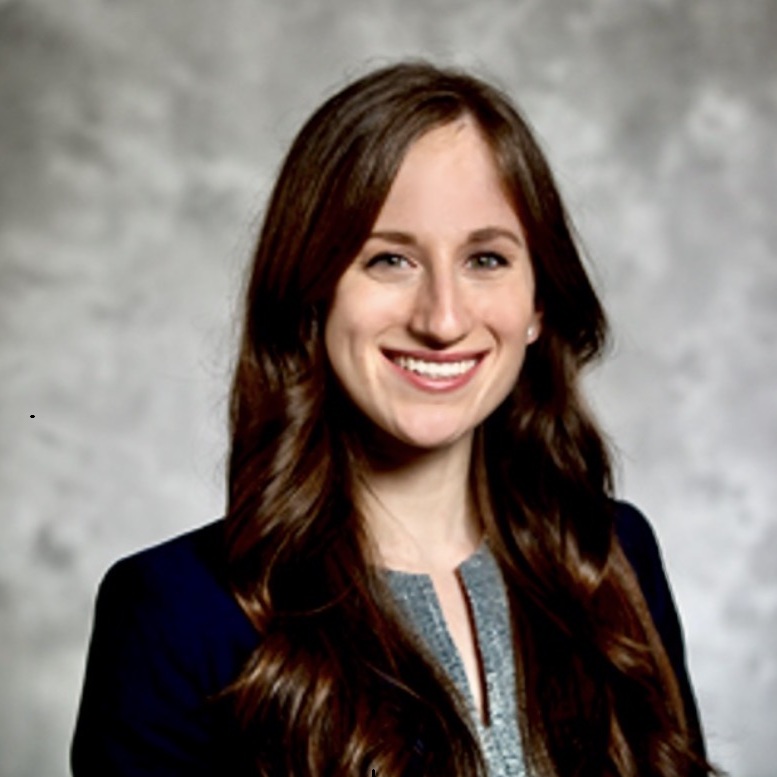
Dr. Gaynor is a clinical neuropsychologist and Assistant Professor of Medicine at Vanderbilt Health, a faculty member at the Vanderbilt Memory and Alzheimer’s Center, and an investigator in the Vanderbilt ADRC Clinical Core. She also serves as neuropsychology lead for the Tennessee Memory Care Assessment Network and is an investigator with the Alzheimer’s Disease Sequencing Project Phenotype Harmonization Consortium coordinating center. Her research uses advanced statistical and neuropsychological approaches to evaluate risk and resilience in late life associated with Alzheimer’s disease and related dementias, including limbic predominant age related TDP-43 encephalopathy (LATE) and SuperAging.
Dr. Gaynor’s poster presented her research on the “SuperAgers” phenotype, which offers an important opportunity to explore factors that predict optimal memory performance in advanced age. Briefly, SuperAgers are adults ages 80 and older with memory performance resembling people decades younger. Similar to prospective SuperAging studies, Dr. Gaynor’s research using a large, multi-cohort sample of retrospectively-identified SuperAgers suggests that their exceptional memory performance may be due to resistance to buildup of both Alzheimer’s disease and non-Alzheimer’s disease neuropathology.
Jiyoun Jeong, PhD, Massachusetts ADRC
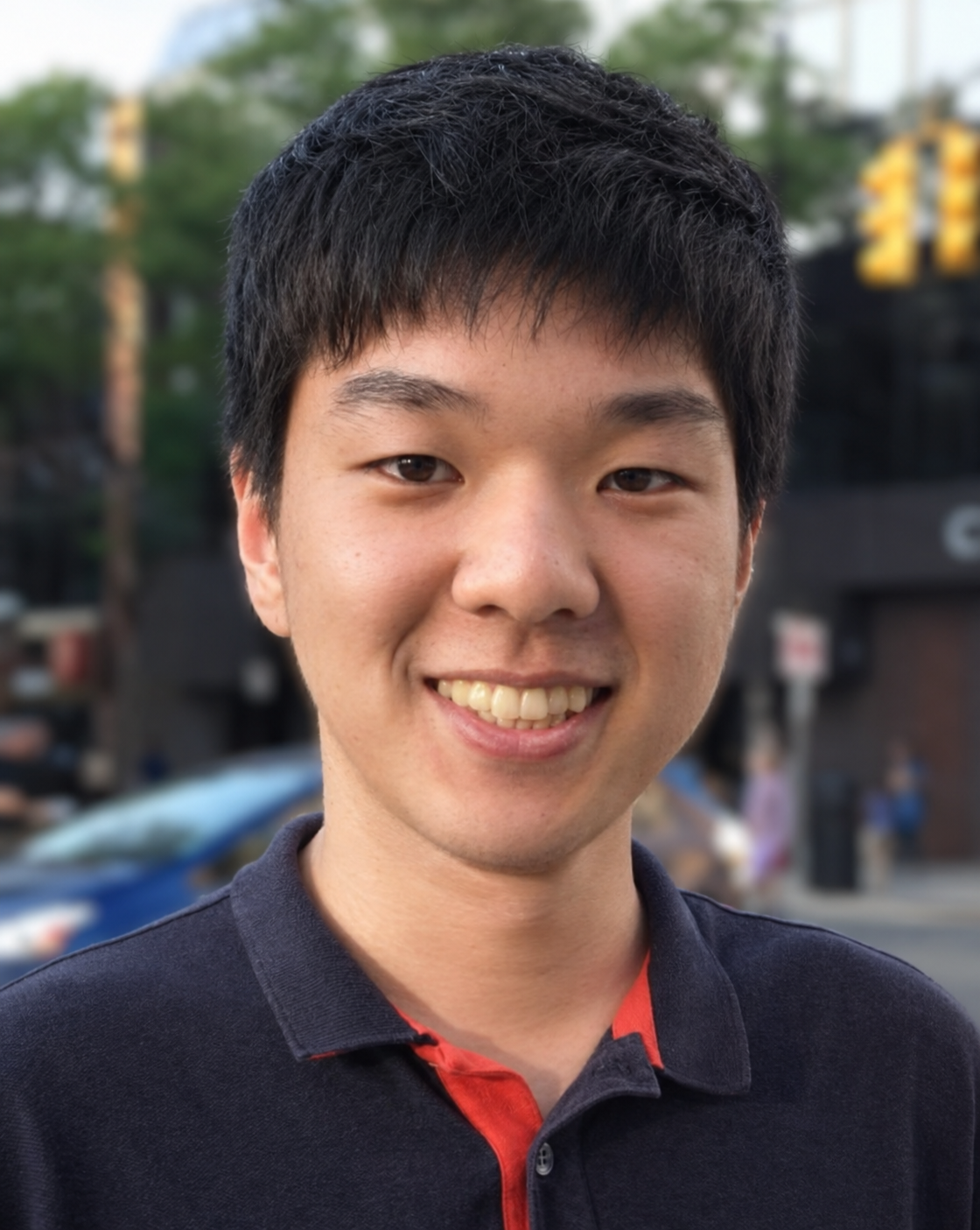
Dr. Jeong is a postdoctoral research fellow at the Wyss Institute at Harvard, where he develops DNA-based technologies for multiplexed microscopy that make profiling brain tissue more accessible. He earned his PhD at the Georgia Institute of Technology, developing single molecule biophysical assays based on fluorescence microscopy. He has been named a Wyss Lumineer for his work in technology translation. His research has been supported by an NIH Ruth L. Kirschstein F32 Fellowship, and he recently received approval for the NIA K22 Career Transition Award.
Imaging-based spatial transcriptomics map where thousands of genes are active across brain tissue, but current workflows rely on repeated cycles of staining, washing, and imaging that make them slow, costly, and hard to scale. Dr. Jeong’s poster introduced Thermal-plex, a DNA nanotechnology method that uses temperature-sensitive probes to exchange signals without washing. The platform works with existing fluorescence microscopes and a small heating unit, with the aim of making large studies across brain samples, aging stages, and disease conditions more practical for more laboratories.
Kristen Whitney, PhD, Mount Sinai ADRC
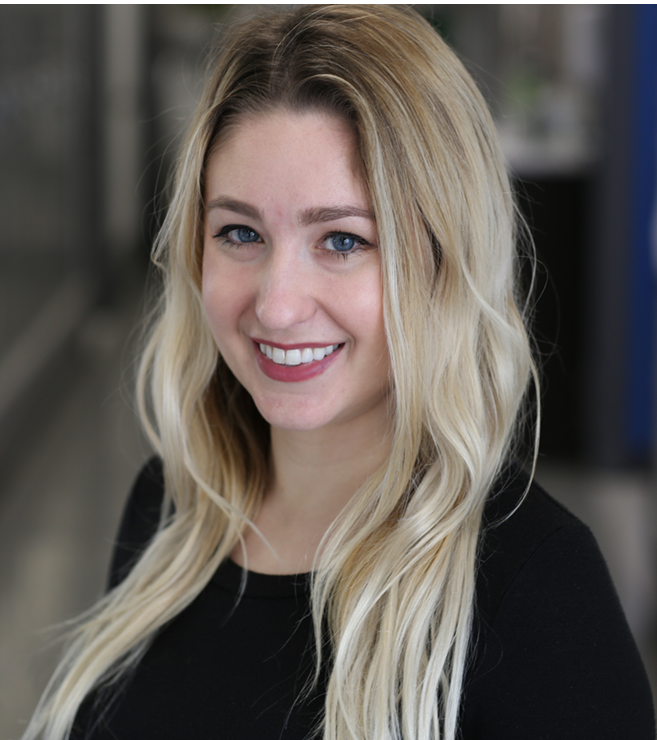
Dr. Whitney is an Assistant Professor in the Department of Pathology, Molecular, and Cell-Based Medicine at the Icahn School of Medicine at Mount Sinai. Her research focuses on understanding how abnormal buildup of the tau protein contributes to cell death in neurodegenerative diseases such as Alzheimer’s disease, frontotemporal dementia, and progressive supranuclear palsy (PSP). Dr. Whitney is developing innovative human cellular models of disease, including three-dimensional “mini-brain” organoids grown from cells donated by patients. Her work integrates these models with analyses of human postmortem brain tissue to better understand disease mechanisms in the human brain and ultimately identify strategies to slow or prevent cell death.
Dr. Whitney’s poster presentation focused on developing patient-derived midbrain organoids to investigate sporadic PSP, a devastating neurodegenerative disease characterized by the accumulation of abnormal tau protein in neurons and glial cells. Pairing these organoids with single-nucleus sequencing and neuropathological analyses of postmortem brains, the team examined the unfolded protein response, a cellular stress pathway linked to PSP genetic risk, in vulnerable brain cells. These findings suggest a potential link between cellular stress responses and tau accumulation in PSP, providing new insight into disease mechanisms and potential therapeutic targets.