All Roads Lead Here
From growing up on a farm in rural California, to spending five years overseas in trauma surgery with the US Military evaluating medically evacuated casualties of war, to being the first woman appointed as Vice Chair of Research in Neurological Surgery at the University of Washington (UW) School of Medicine, Dr. Christine Mac Donald's path to dementia research has been anything but traditional. In addition to being a Vice Chair, Dr. Mac Donald is a Co-Investigator at the National Alzheimer's Coordinating Center (NACC), an mPI for the ADRC Consortium for Clarity in ADRD Research Through Imaging (CLARiTI), the co-lead of the UW Alzheimer's Disease Research Center (ADRC) Imaging Core, and leads the Neuroimaging Core for the Adult Changes in Thought study.
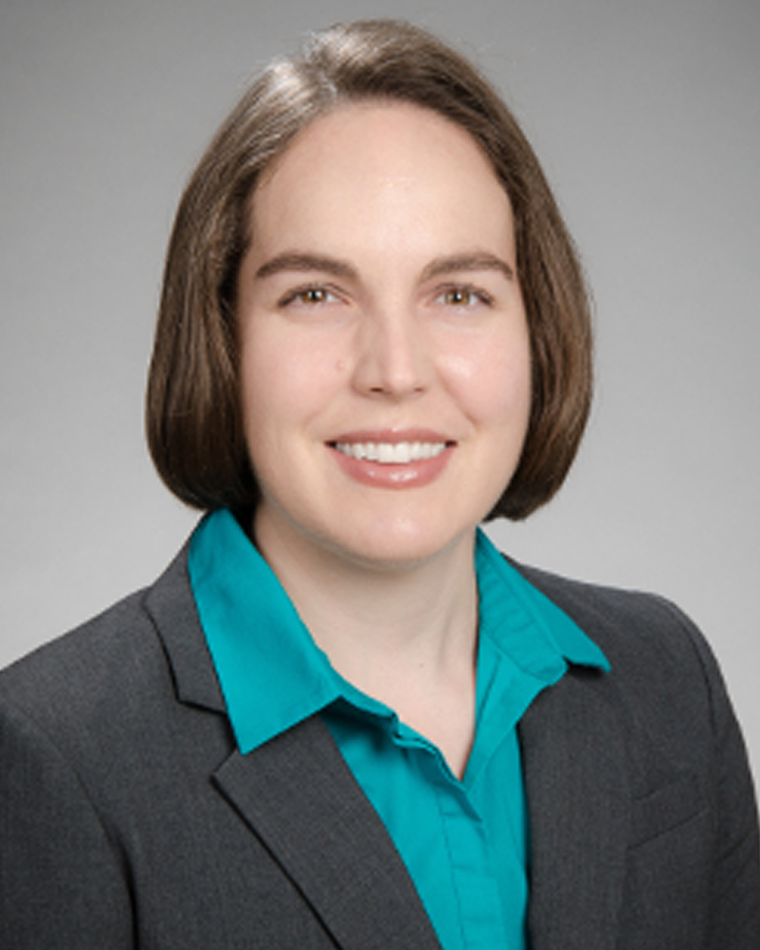
After a sports injury prevented her from pursuing her childhood dream of following in her family's footsteps and joining the United States Navy, Mac Donald remained committed to supporting US military members in her own way. "At that point, I decided, if I cannot serve, I want to serve those who serve us," she said.
Mac Donald served as a contractor for the US military for five years in trauma surgery, assessing casualties of war for brain injury and working to enroll them in clinical trials. During her time in that role, she evaluated patients from all over the world, including service members from various NATO countries and locals in Afghanistan who had limited access to medical resources.
Later, she joined an international consortium that centralized, harmonized, and recommended standardized methods for neuroimaging data for brain injuries and for neurodegeneration. For Mac Donald, this consortium bridged the gap between traumatic brain injury and neurodegenerative diseases, such as Alzheimer's disease and related dementias.
Bridging Research and Real-World Impact
For the past eight years, she has worked with the UW ADRC as co-lead of the Imaging Core. She has also performed postmortem imaging diagnostics on over one thousand brain autopsies alongside C. Dirk Keene, MD, PhD, Associate Director and Precision Neuropathology Core Lead at the UW ADRC, and his team.
This team is doing unique work by linking neuroimaging data collected from patients over their lifetimes with postmortem imaging and neuropathology data. Linking data captured during a patient's lifetime to data available after their death may enable researchers to develop more precise clinical diagnostic measures that identify dementias earlier and more accurately.
During her time working with the UW ADRC, Mac Donald has seen that almost all the patients examined postmortem have multiple types of pathological dementia (or multiple etiologies). She is especially passionate about the advances that may be possible in identifying and treating these polypathologies, guided by advanced imaging. Yet, Mac Donald remains conscious of how many patients are unable to access high-end research institutes and advanced imaging opportunities. "I am acutely aware of how privileged we are with these incredible research research scans that we're getting from CLARiTI and SCAN [Standardized Centralized Alzheimer's & Related Neuroimaging]. No one from where I grew up has this kind of access, yet many suffer with these conditions too," she said.
Thinking creatively about how to use available medical information and imaging diagnostics in new ways to advance the field is important to Mac Donald. She especially hopes that the imaging data from initiatives such as CLARiTI and SCAN will be translatable to patients who have other types of imaging or diagnostic information but cannot directly access research studies, like the aging veterans and US Military she continues to see through her trials, who are showing signs of decline.
“At that point, I decided, if I cannot serve, I want to serve those who serve us”
Advanced machine learning may be the answer to bridging the gap between advanced imaging scans, more accessible imaging techniques, and early diagnosis for patients. By detecting subtle, early signs of neurodegeneration, machine learning models may enable earlier access to therapeutic stratification, extending patients' lifespans while preserving their quality of life and that of their loved ones.
Mac Donald is committed to prioritizing the accessibility of diagnostics and care for the most vulnerable populations and is optimistic that new advances in imaging, along with the ability to link antemortem imaging with postmortem imaging and neuropathology data, will make significant advances in the field. "I truly hope to put myself out of a job one day," she said.
Mac Donald welcomes collaboration requests from researchers across the ADRC Program who may be interested in connecting postmortem imaging with antemortem imaging and neuropathology research. Contact Dr. Mac Donald at cmacd@uw.edu.