A Meeting Built Around the Questions That Matter Most
The 2026 Spring ADRC Meeting brought together more than 1,000 researchers, clinicians, and administrators in Atlanta, Georgia, and online, for four days of science, strategy, and community. The meeting highlighted the strength of collaboration across the ADRC network as investigators worked together to address some of the most important and complex questions in Alzheimer’s disease and related dementias research.
* Note that conference recordings are only available to officially registered attendees of the 2026 Spring ADRC Meeting
Setting the Stage: The Directors Session
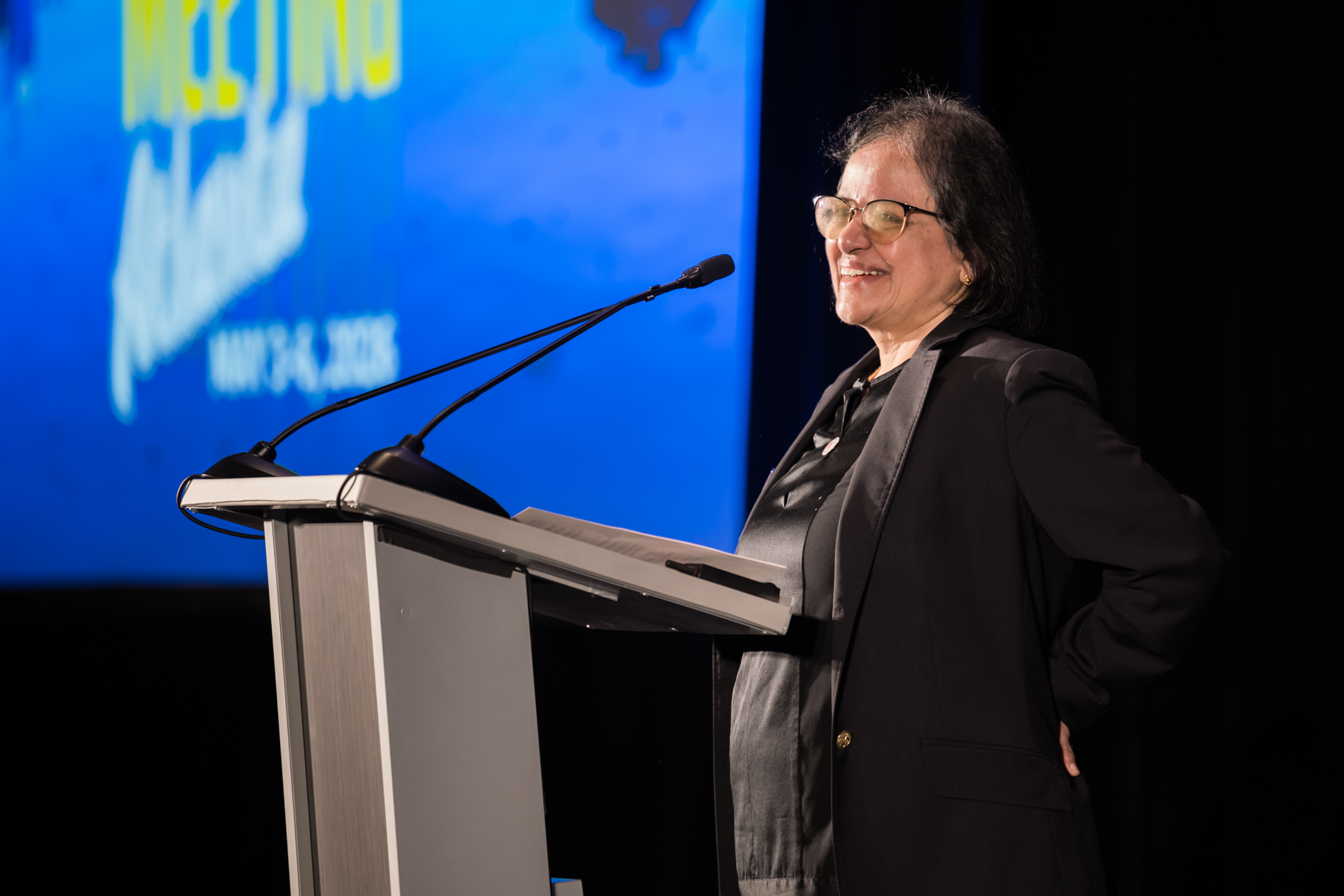
The meeting opened with the Directors Session, in which NIA leadership sharing timely updates on funding priorities, including a continued commitment to early career investigators and inclusive research, and a shift toward unsolicited applications. NACC, led by director Kari A. Stephens, PhD, reaffirmed its mission to empower the AD/ADRD research community by serving as the national data resource, collaboration hub, and communication center for the ADRC Program. NACC also announced a new data access and analysis option in partnership with the Alzheimer’s Disease Data Initiative’s AD Workbench. Researchers can now upload NACC Quick Access File data into AD Workbench for cloud-based, scalable, collaborative analysis.
NCRAD, led by Tatiana Foroud, PhD, reported strong growth in the Alzheimer’s Disease Centers Fluid Biomarker Initiative, with samples from more than 20,000 ADRC participants and more than 1,500 visits received in the current calendar year! NCRAD also introduced ADCFB express, a faster process designed to return biomarker results within eight weeks of sample arrival at NCRAD.
NIAGADS, led by Li-San Wang, PhD, highlighted recent Alzheimer’s Disease Sequencing Project data releases, including whole exome and whole genome data contributed in part by ADRCs. The future data growth is immense as upcoming sequencing efforts are expected to significantly increase statistical power, including a freeze with more than 80,000 genomes. Additionally, NIAGADS is working with the NIA Center for Alzheimer’s and Related Dementias (CARD) to sequence approximately 4,800 additional ADRC samples with rich phenotypes.
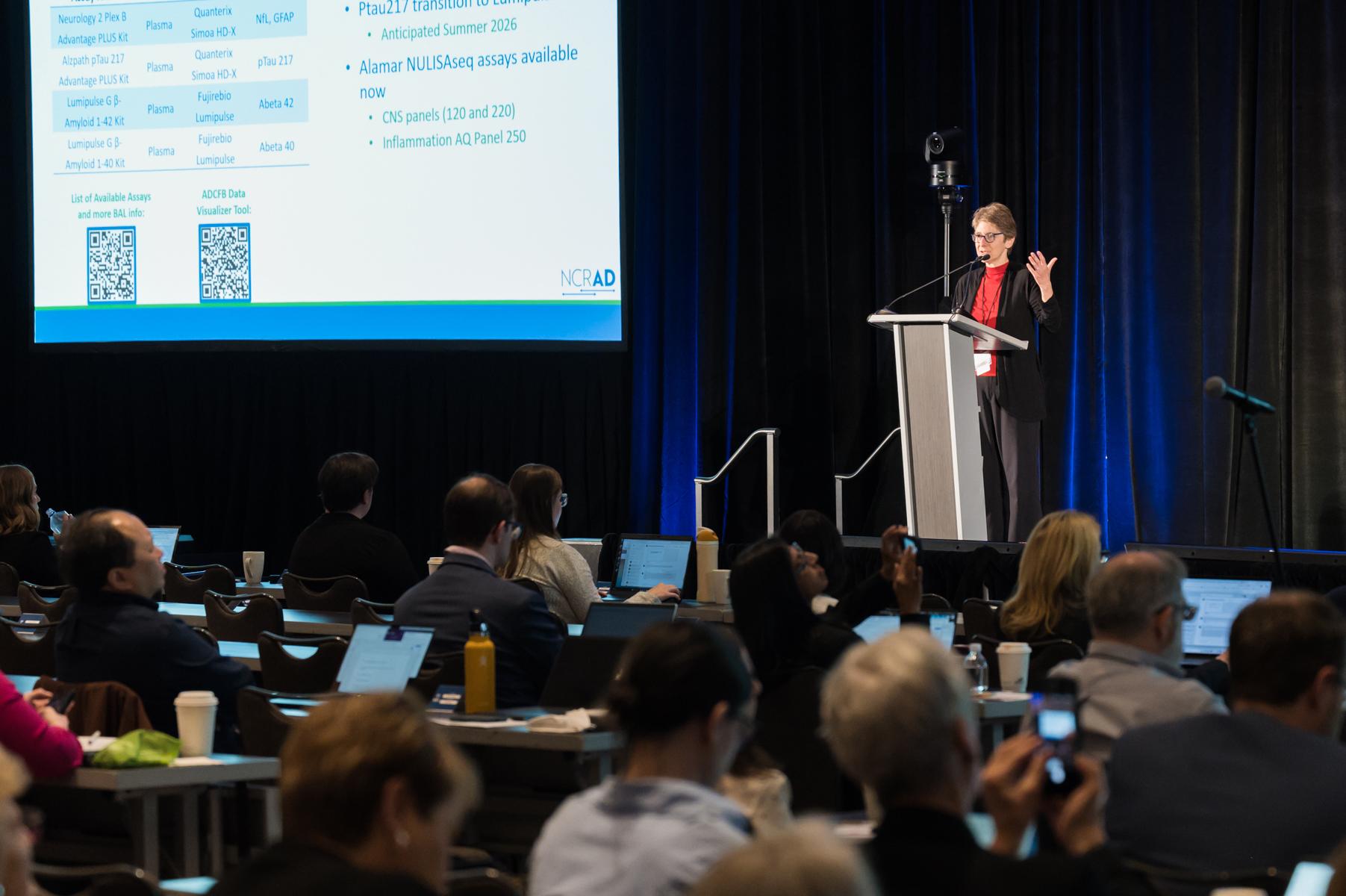
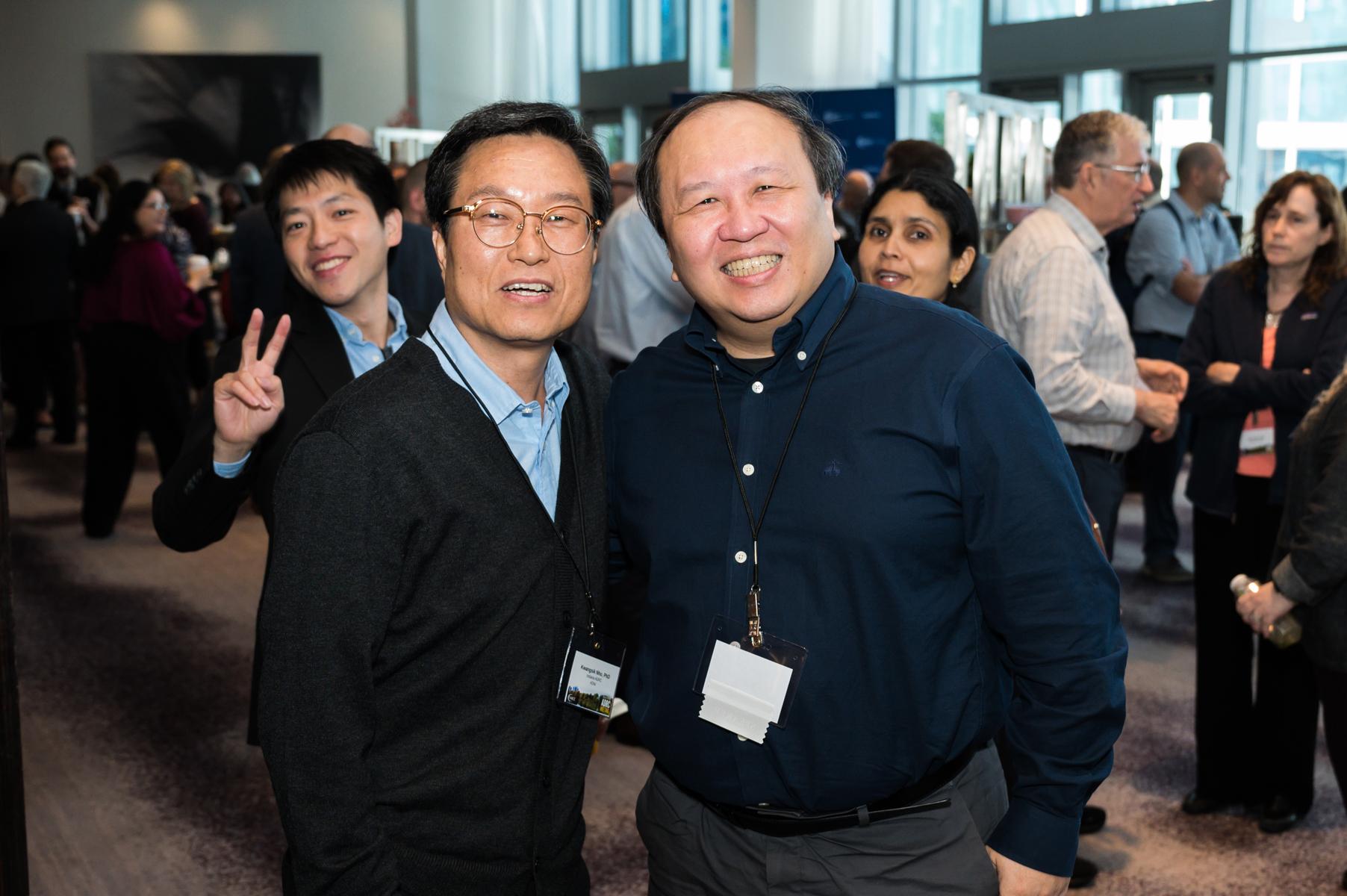
The second part of the Directors session was a forward-looking conversation on Visions for the ADRC Program. David Wolk, MD, presented findings from a recent survey of the ADRCs, followed by a panel discussion with Center Directors guided by Sudha Seshadri, MD. The discussion explored the Program's future across themes of innovation, standardization, workforce development, and the evolving role of ADRCs in an era of emerging therapeutics and precision medicine. A town hall moderated by Brad Boeve, MD, rounded out the session, giving the broader community an opportunity to weigh in with their insights and ask important questions. For a more detailed look at the Directors Session, read our post, "What Comes Next for the ADRC Program? Directors Reflect on the Future."
Relive 2026 Spring ADRC Meeting!
A Milestone Moment: The CLARiTI Session
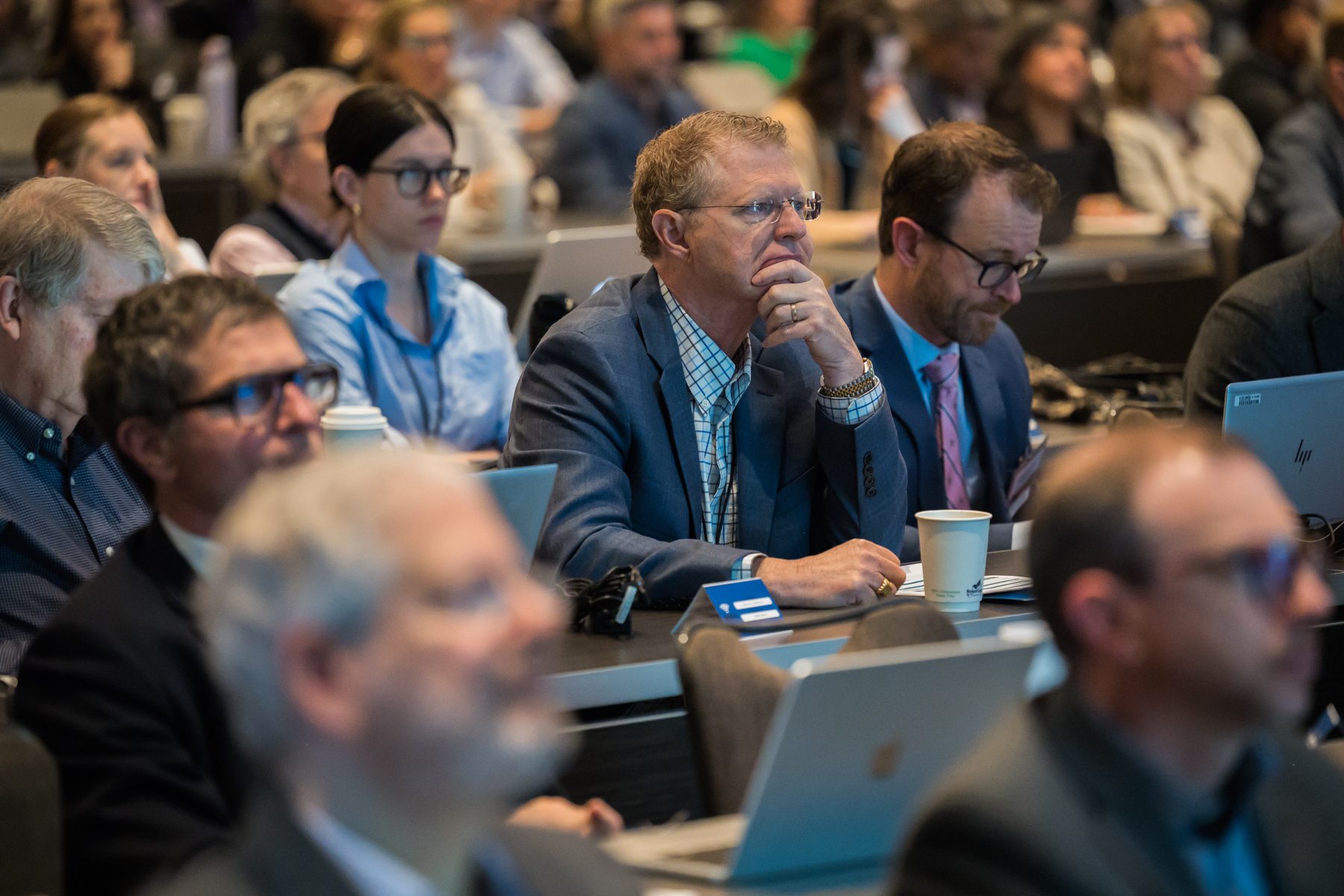
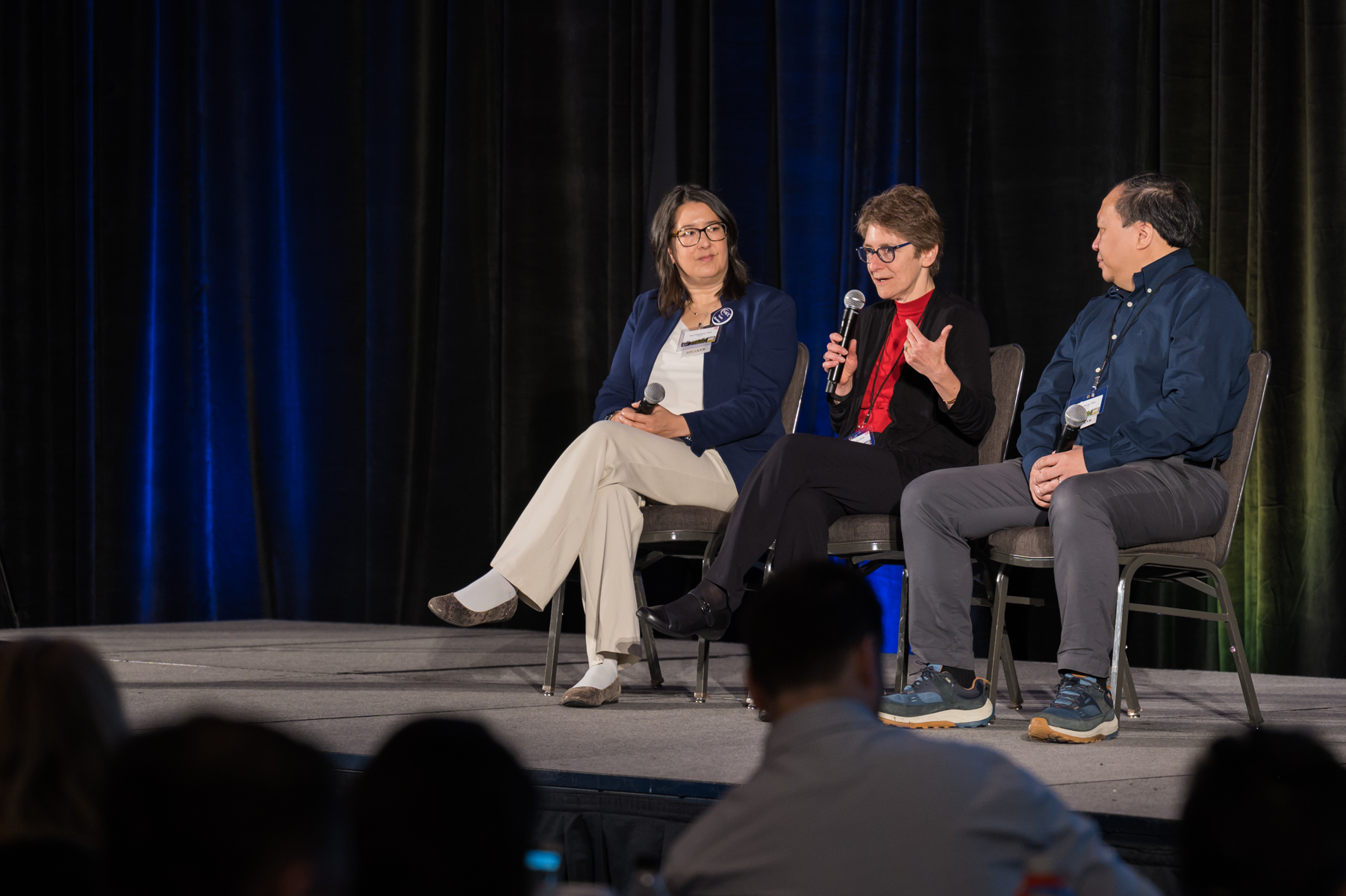
Monday afternoon brought one of the meeting's most anticipated sessions: the CLARiTI Session. The session featured study updates, a demonstration of the ADRC Portal and CLARiTI Dashboards, and the announcement of CLARiTI's first data release, a milestone for the consortium. The session also featured three expert talks on plasma proteomics in Lewy body disease (Sara Lorkiewicz, PhD), imaging co-pathologies in neurodegenerative diseases (Hartmuth Kolb, PhD), and in vivo imaging of alpha-synuclein aggregates (Robert H. Mach, PhD) that reflected the cutting edge of multi-etiology dementia research.
The Work of Running an ADRC: The Administrative Session
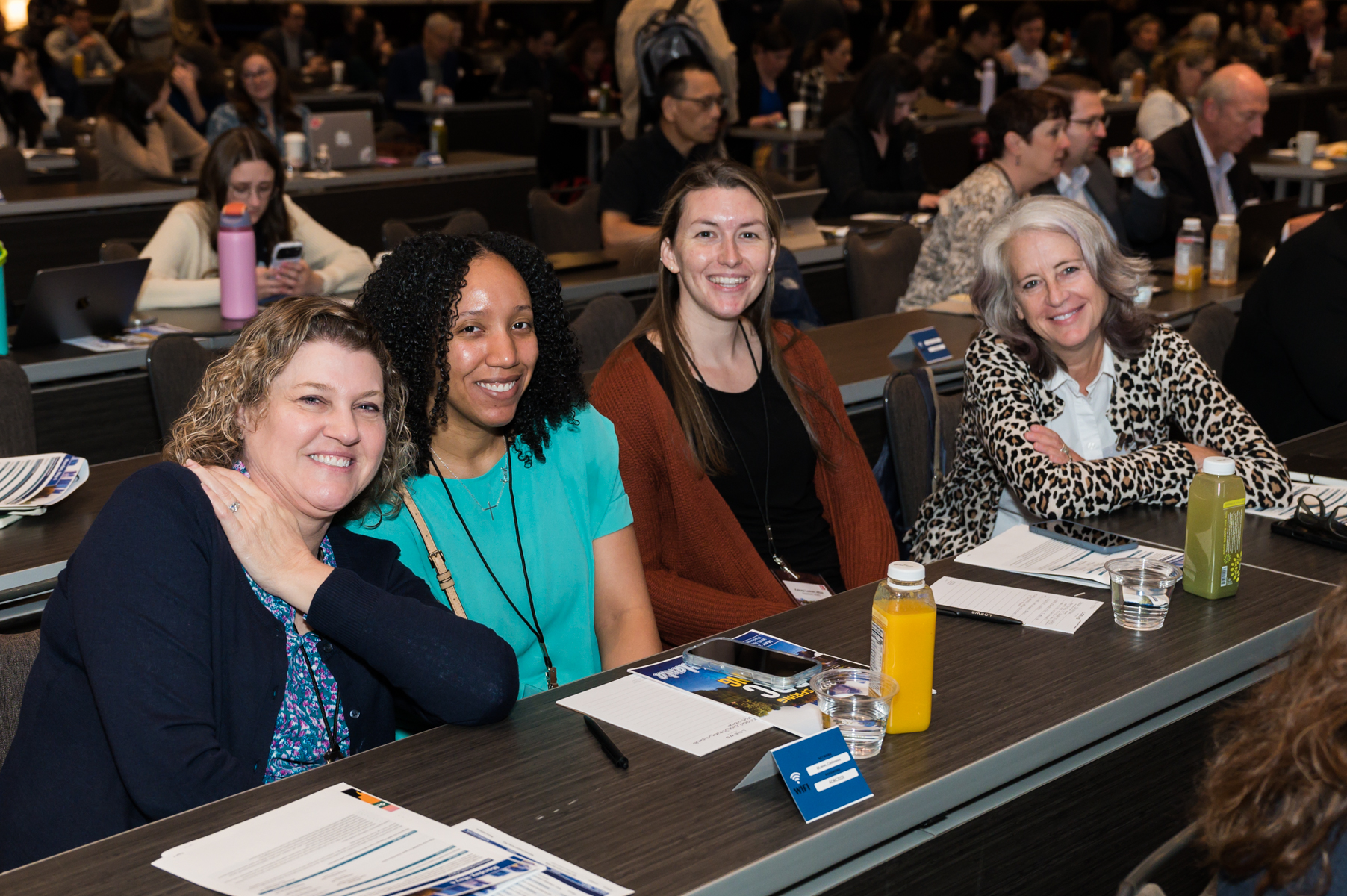
The Administrators Session brought a full room of administrators, coordinators, and core leaders together for two panel discussions that addressed the practical realities of running an ADRC. The first panel focused on research registries, covering implementation, participant engagement, data infrastructure, and staffing models. The second explored revenue recovery and fee-for-service approaches as a way to sustain and expand ADRC science beyond what P30 funding alone can support. Both topics were examined from multiple perspectives, producing conversations that were practical, grounded, and directly relevant to the work happening across the network.
Additionally, on Sunday, May 3, Center Administrators had the chance to gather in a deep-dive workshop. Through benchmarking and peer discussion, participants compared administrative models across centers, identified common operational pressures, and helped inform practical expectations for the Administrative Core structure, roles, and resourcing.
Frontiers in Clinical, Imaging, and Biomarker Science for AD/ADRD
Variant Presentations and the Complexity of AD: The Clinical Core Session
The Clinical Core Session took up the theme of variant presentations of Alzheimer's disease, exploring what rapidly progressive dementia, posterior cortical atrophy, primary progressive aphasia, and Down syndrome can teach us about the broader biology and clinical landscape of AD/ADRD.
Two Frontiers in Imaging: The Imaging Core Session
The Imaging Core Session addressed two active areas in ADRC imaging science. The first half focused on amyloid and tau PET clinical results and the practical and ethical questions surrounding return of results. The second introduced the emerging field of post-mortem imaging, with presentations on in situ imaging, 7T whole-hemisphere MRI, and fresh post-mortem approaches.
Biomarkers at the Frontier: The Biomarker Core Session
The Biomarker Core Session covered a range of topics from a Synuclein Biomarker Neuropathology Summit recap to NCRAD updates, UDSv4 consensus and clinical staging, plasma proteomics in a mixed-dementia cohort, and the use of autopsy as a reference standard for fluid biomarkers. The session reflected a field moving rapidly from observation toward the kind of precise, multi-pathology characterization that future diagnostics and therapeutics will require.
* Note that conference recordings are only available to officially registered attendees of the 2026 Spring ADRC Meeting
Investing in the Next Generation: The REC Session, Poster Session, and Mock Study Section
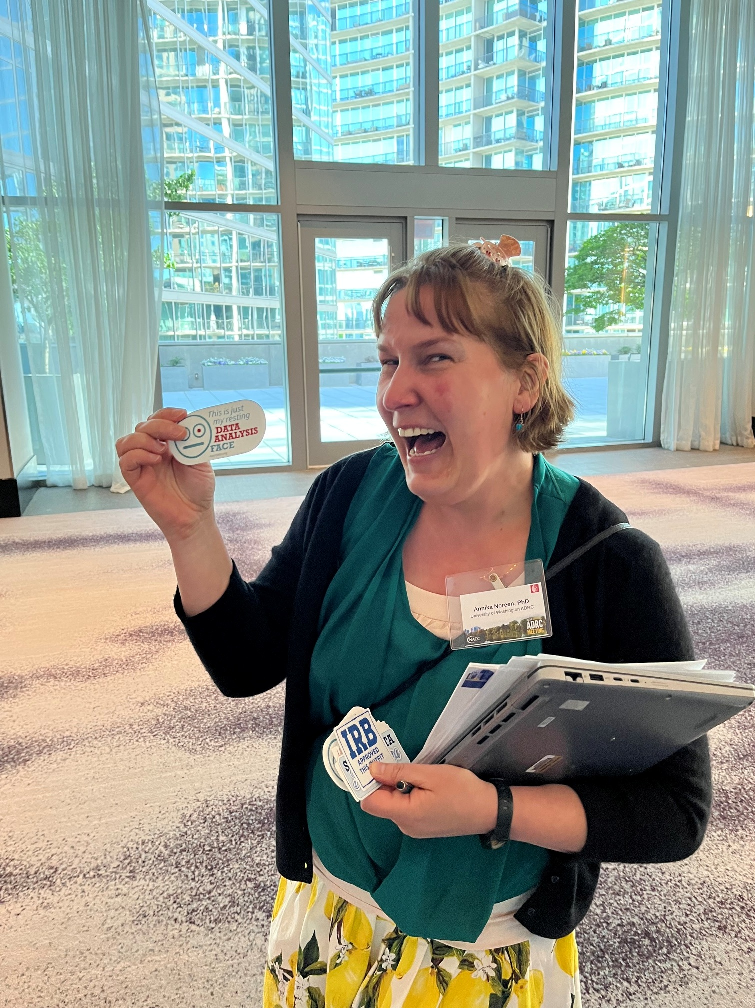
A recurring theme across many ADRC Meeting discussions made it clear that training the next generation of AD/ADRD investigators is a top priority for the ADRC program. The REC Session opened Tuesday morning with highlights from 2025 and 2026, an update on the new REC working groups dedicated to harmonizing REC titles and training across the program, and an early career perspective, including changes to make the Mock Study Section more interactive.
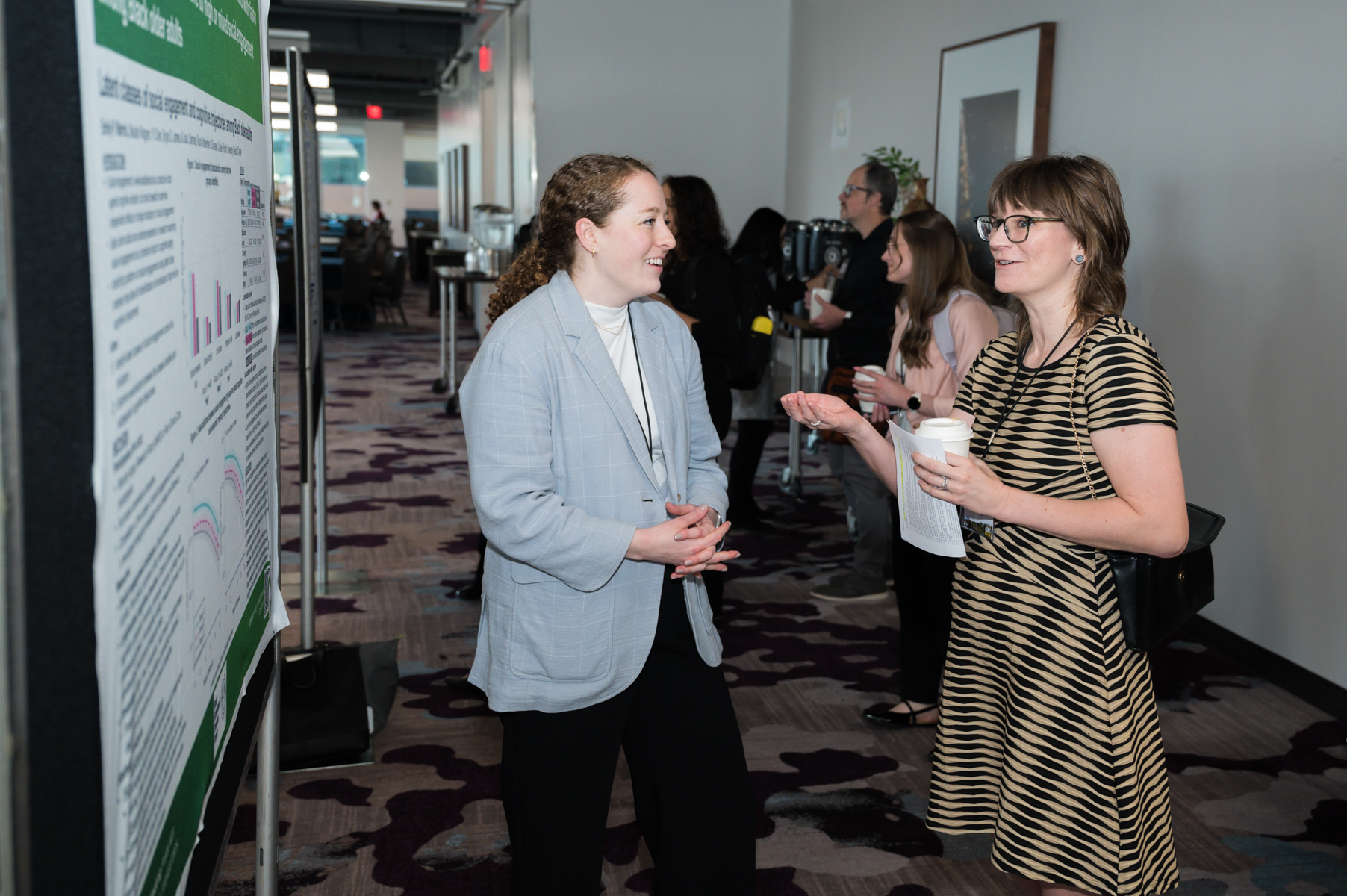
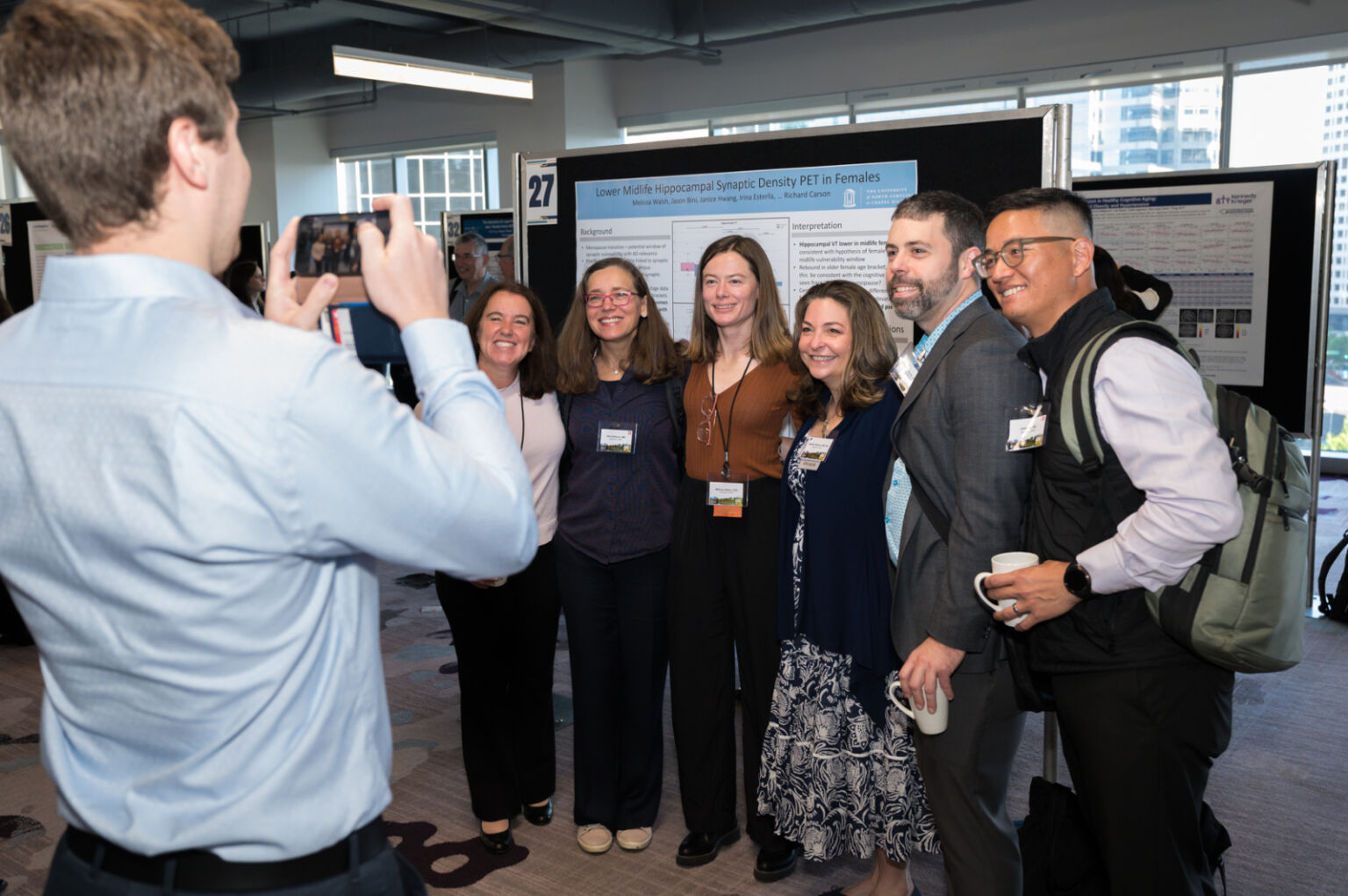
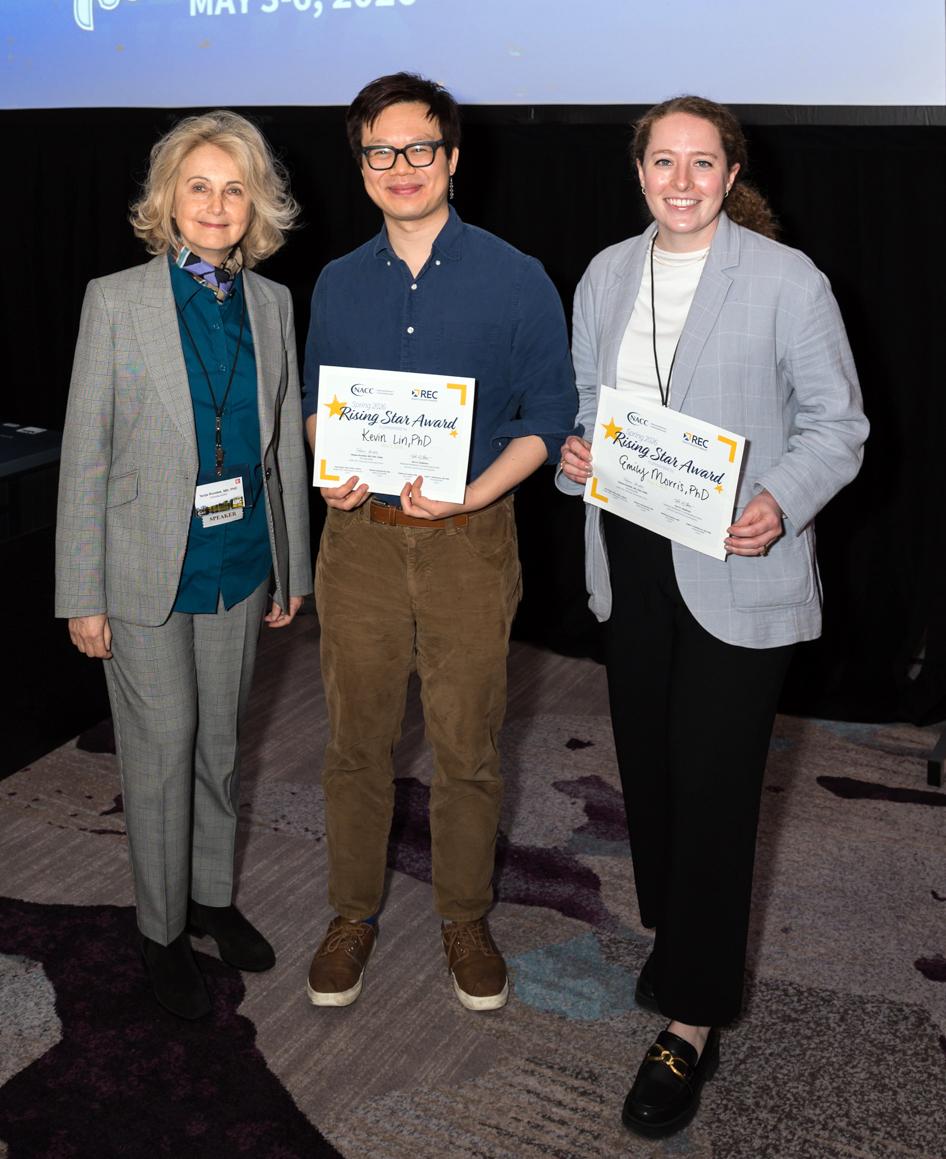
The REC Poster Session showcased research from 34 early career investigators across the Program. Three Rising Star Awards were presented to researchers whose work stood out for its scientific impact: Emily Morris, PhD, of the Rush ADRC for her research on social engagement and cognitive trajectories among Black older adults, Ian Weidling, PhD, of the Kansas ADRC for his work on mitochondrial effects on MAPT RNA processing, and Kevin Lin, PhD, of the University of Washington ADRC for his research integrating microglial form and function in Alzheimer's disease via deep learning.
On Wednesday, the REC Mock Study Section gave 48 early career investigators a hands-on experience of the R01 and K grant review processes, one of the most valuable professional development opportunities the REC program offers. Ramesh Vemuri, PhD and Maria Carranza, PhD, both from the NIA, provided presentations on the NIH peer review process and NIA funding opportunities, respectively, and Heather Snyder, PhD, presented funding opportunities available through the Alzheimer’s Association.
A Community Worth Celebrating: The Centers' Reception
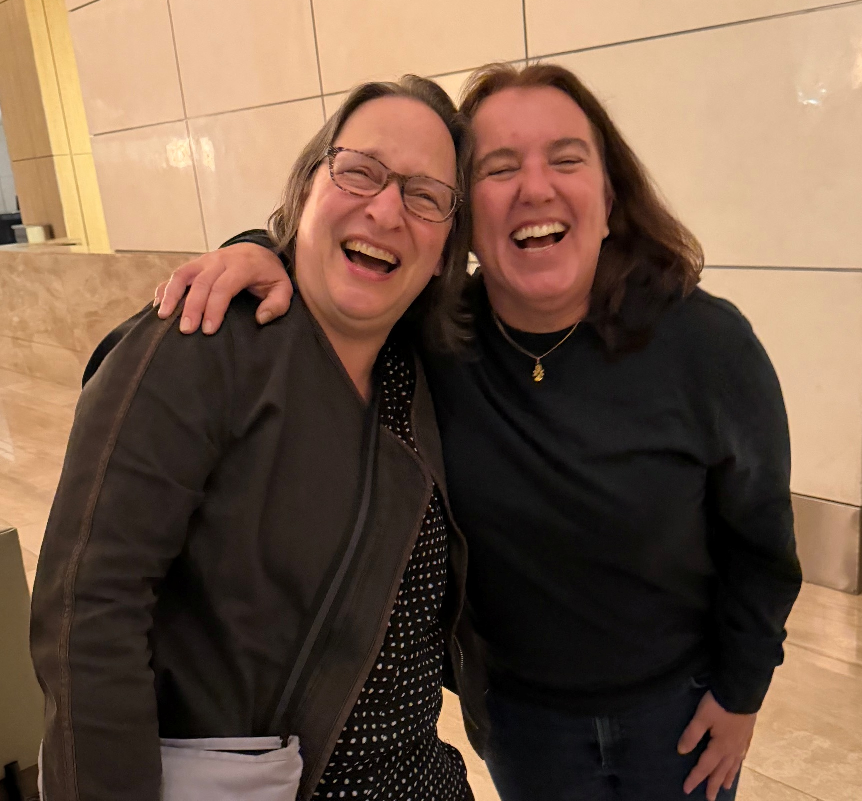
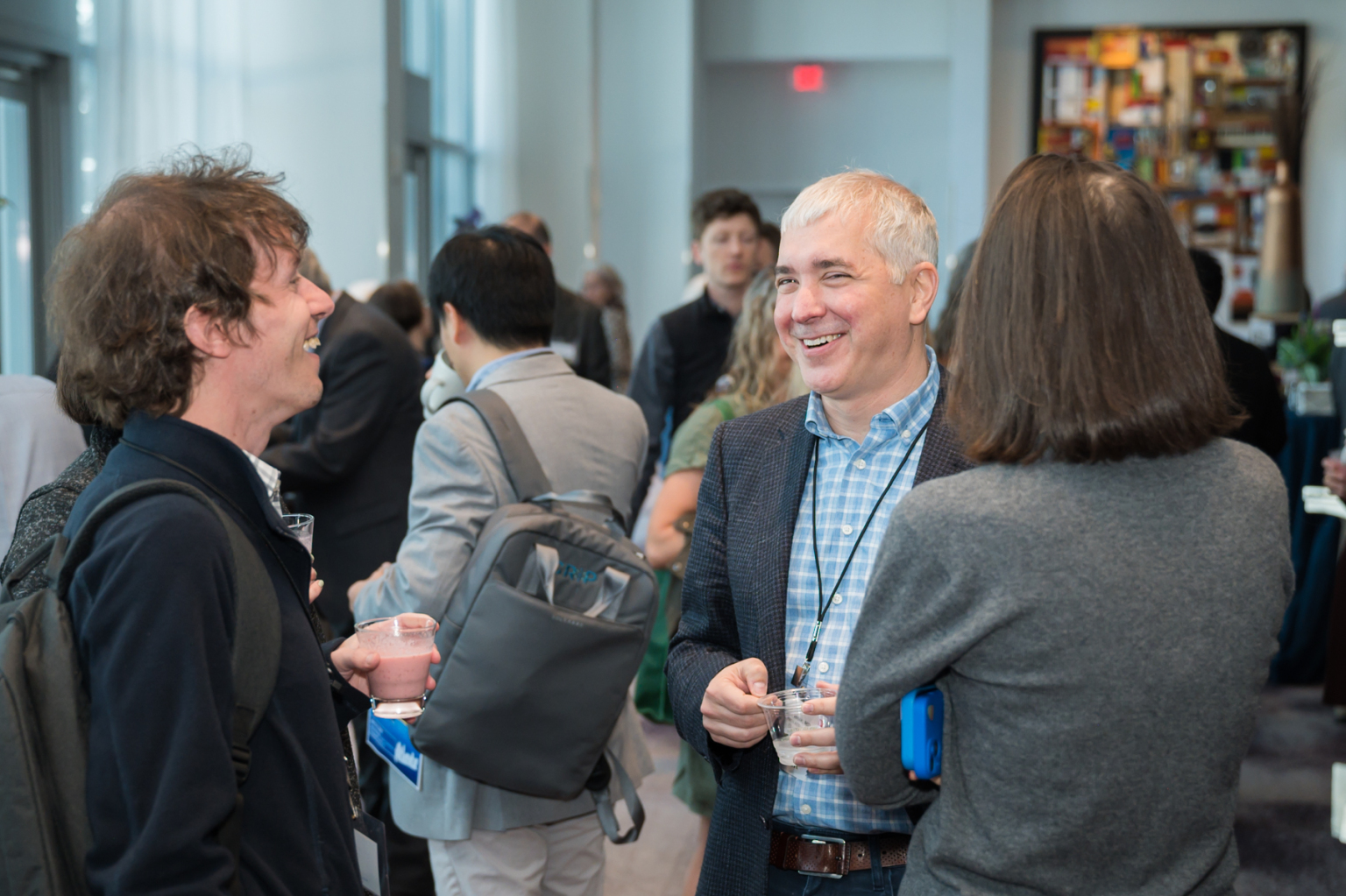
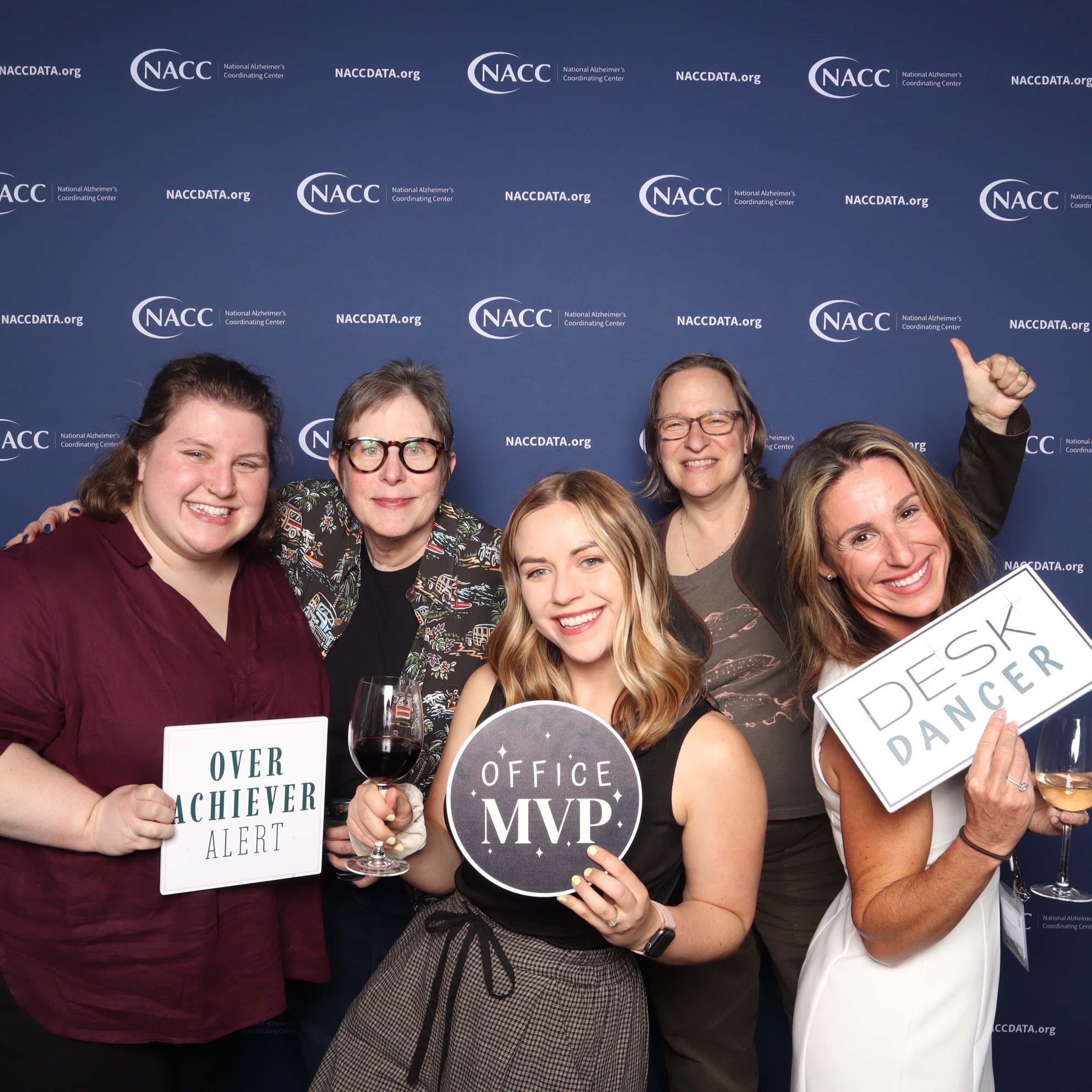
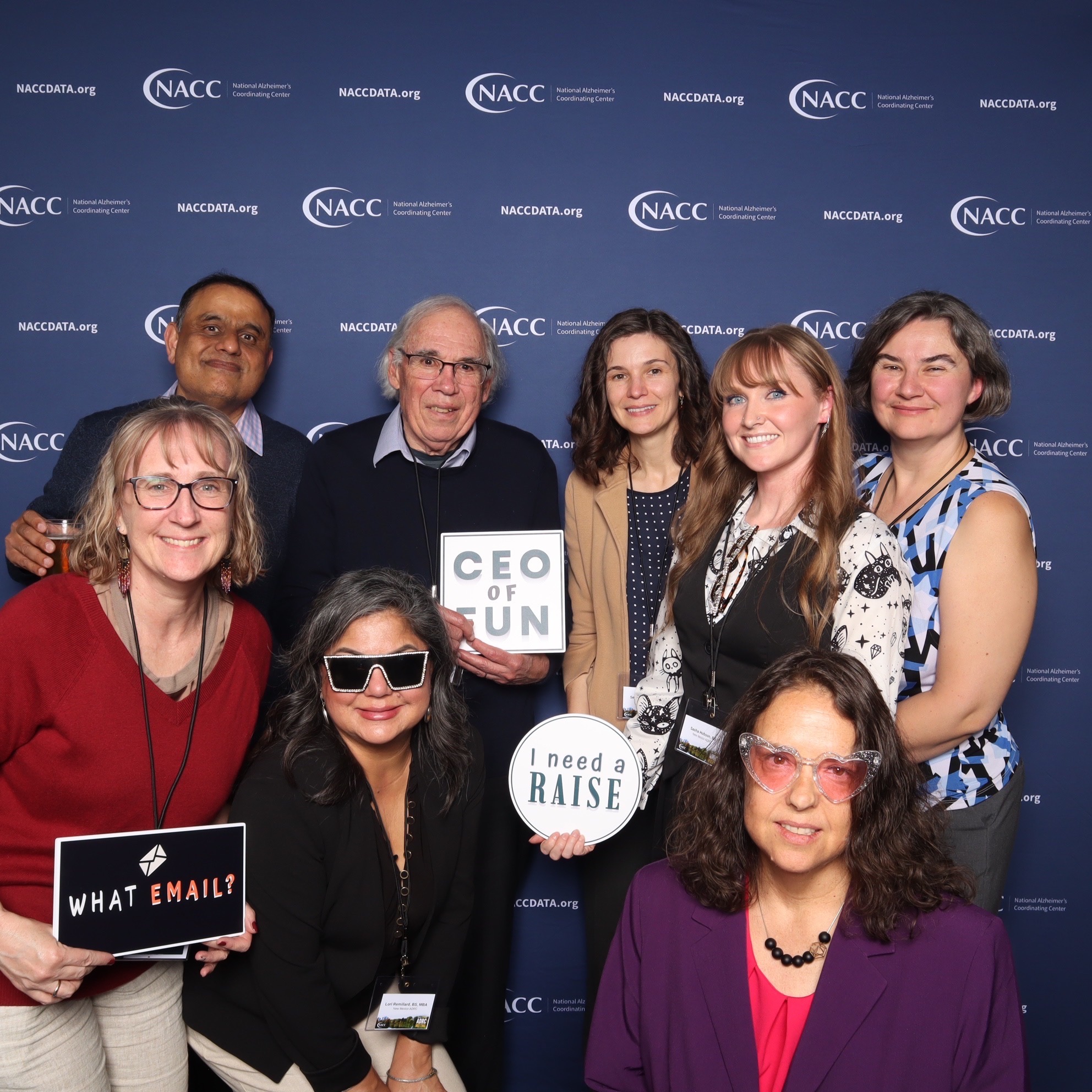
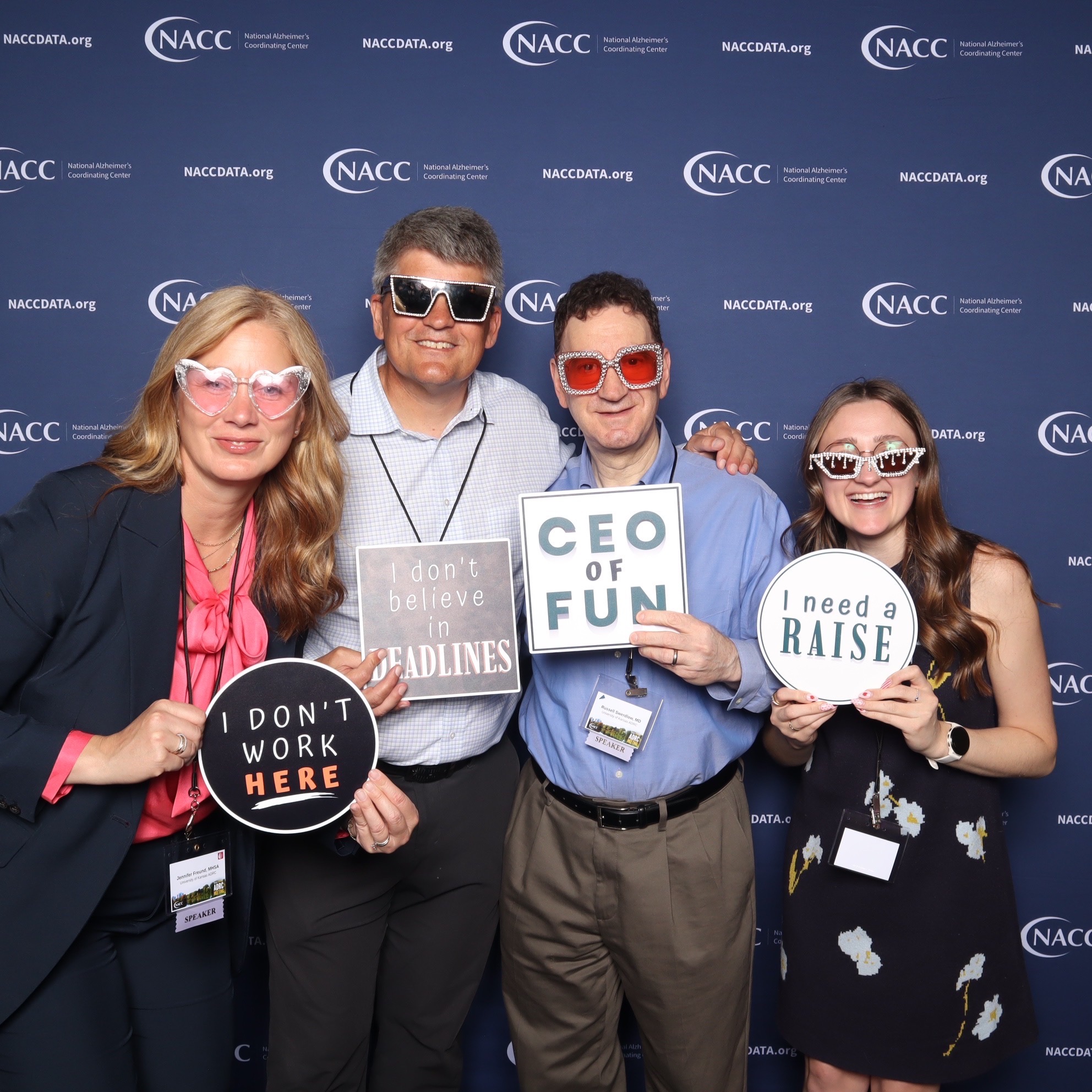
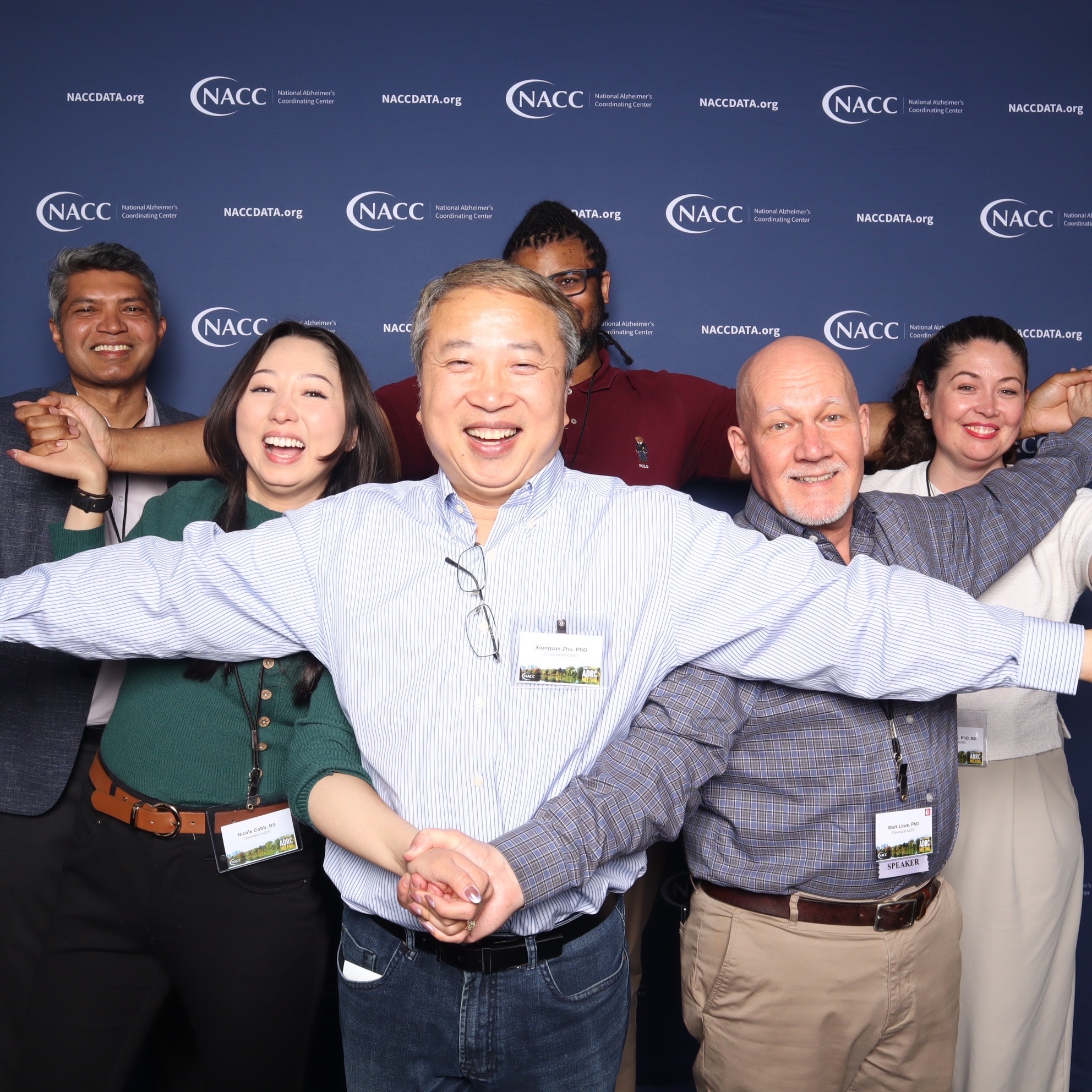
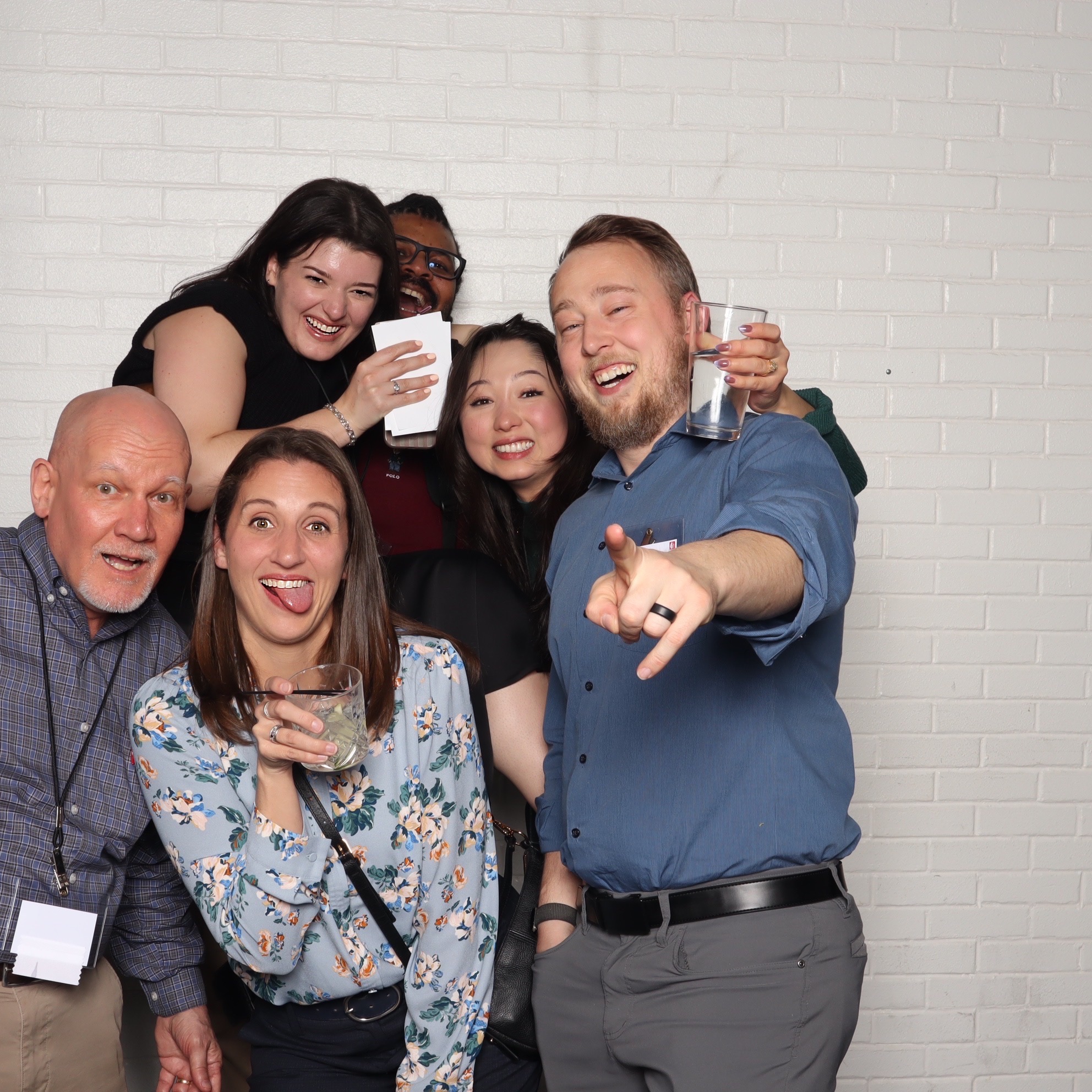
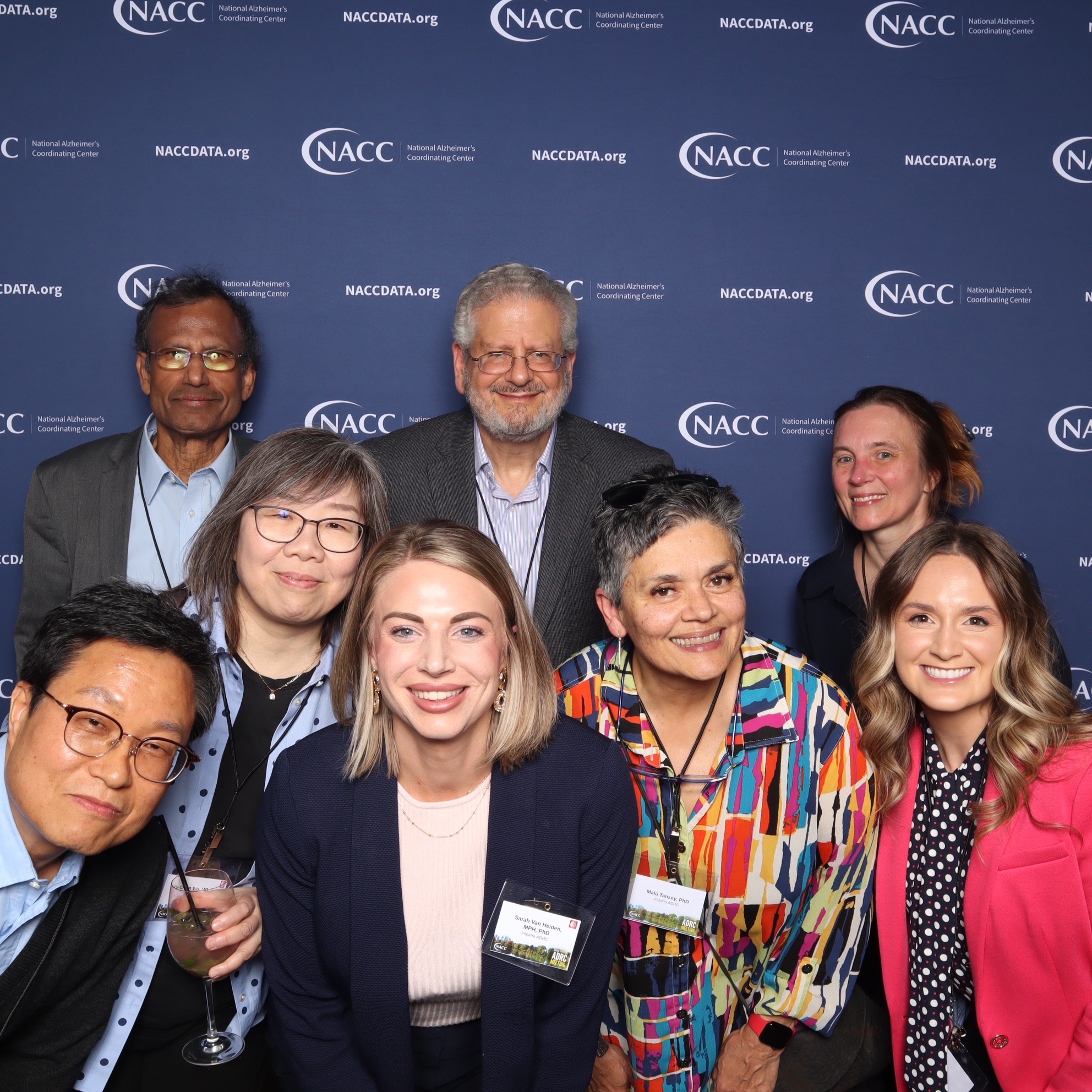
On Monday evening, the Alzheimer's Association sponsored the Centers' Reception, welcoming all in-person attendees for an evening of conversation and connection. It is always one of the highlights of the meeting, and this spring was no exception. Evenings like this one are a reminder that the connections made outside the meeting rooms are just as important as the science discussed inside.
Looking Ahead
The 2026 Spring ADRC Meeting covered a lot of ground, but a few themes ran through nearly every session: the importance of training the next generation of researchers, the need to connect science more directly to clinical care and the communities it serves, and the strength that comes from a network willing to ask hard questions and work through them together. We look forward to continuing that work and seeing you all at the 2026 Fall ADRC Meeting happening October 25-27 in Seattle, WA, and online.