What Comes Next for the ADRC Program?
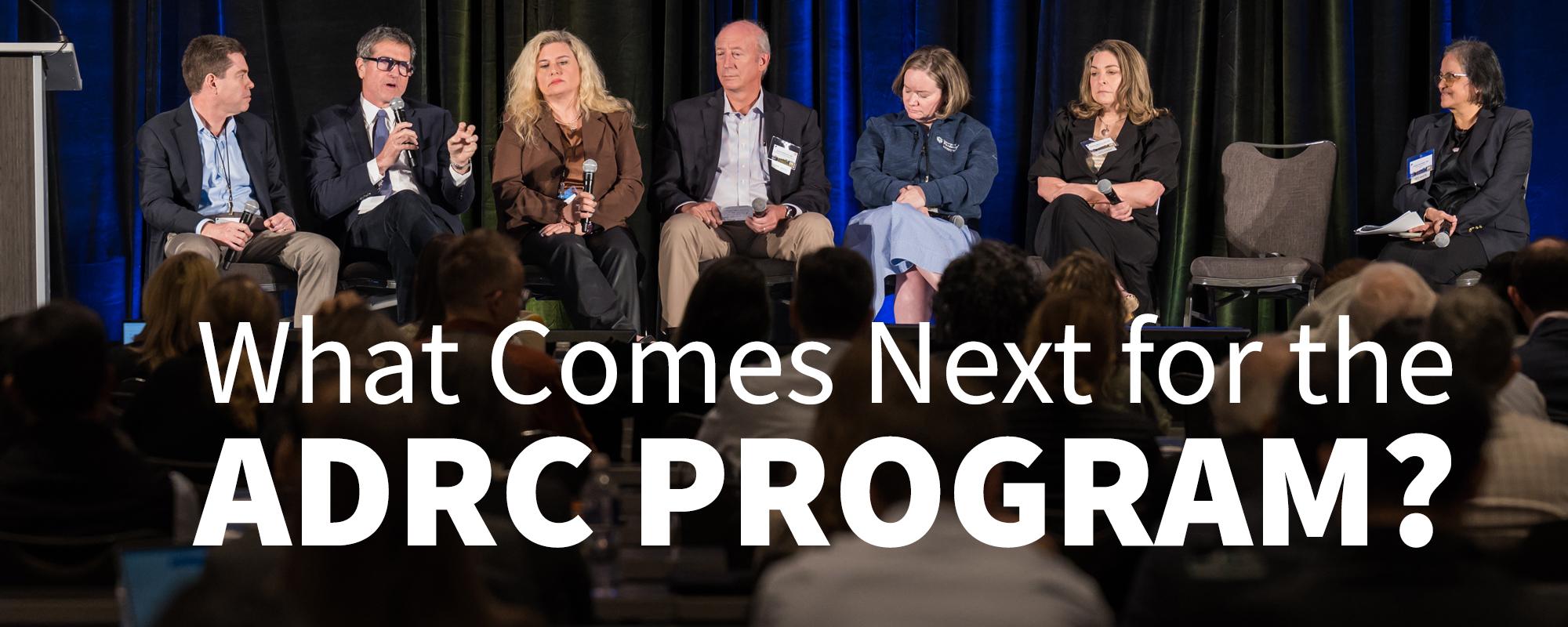
The Directors Session at the 2026 Spring ADRC Meeting covered a lot of ground. It opened with updates from NIA leadership, NACC, NCRAD, and NIAGADS. But it was the second half of the session that generated the most conversation, a structured, community-driven discussion about the future of the ADRC Program itself.
Led by Sudha Seshadri, MD, Chair of the ADRC Executive Committee and Director of the South Texas ADRC, the session drew directly from responses to a survey sent to all 37 ADRCs. David Wolk, MD of the Penn ADRC opened with an overview of the survey results, offering a meaningful snapshot of where the community stands at a pivotal moment in the Program's history.
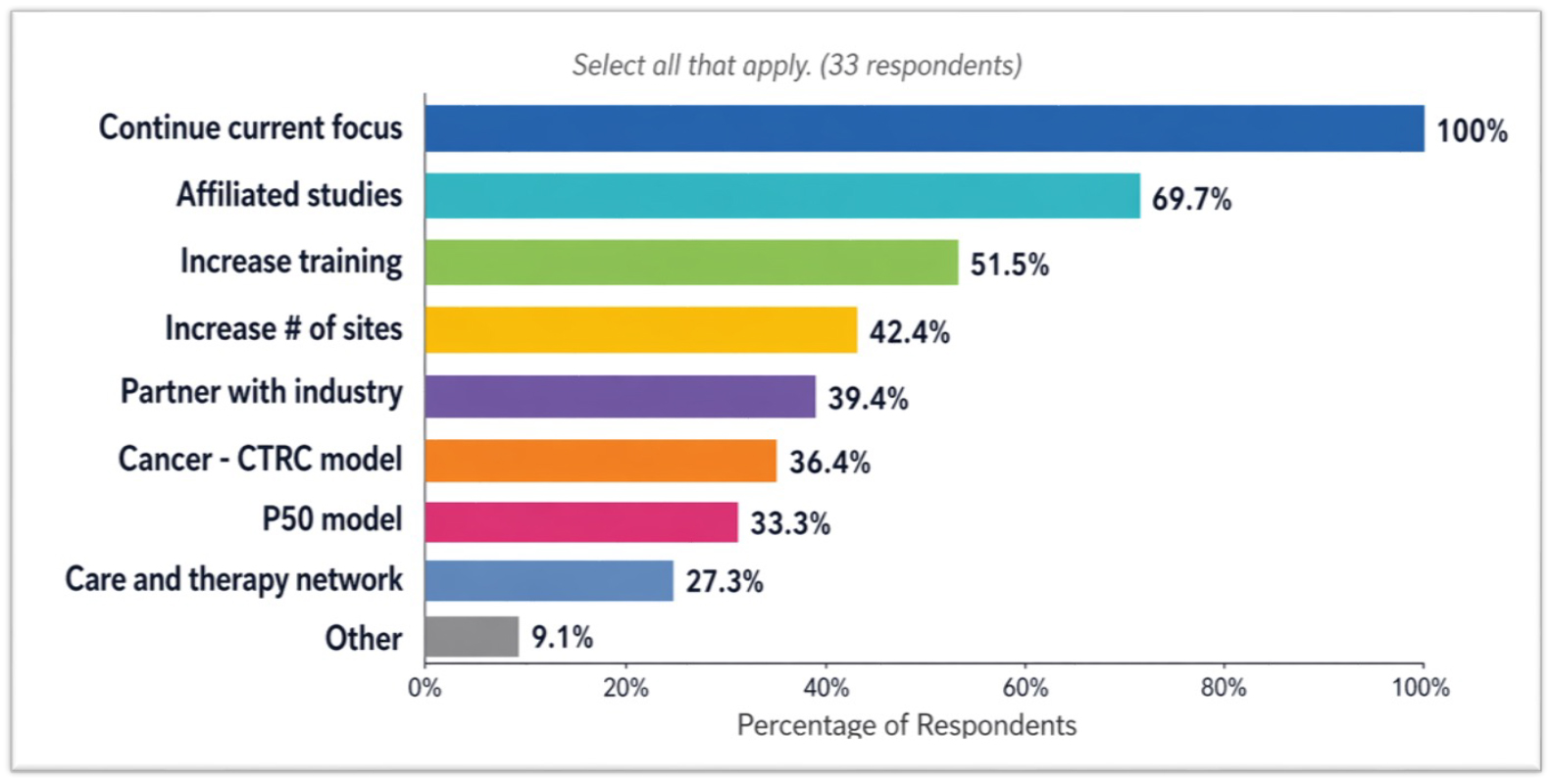
The data painted a clear picture. 100% of the 33 Directors who responded expressed support for continuing the program's current focus, a strong signal that the foundation the ADRC network has built over decades remains solid and worth preserving. Nearly 70% identified affiliated studies as an important direction for growth, reflecting a desire to deepen the program's scientific reach and broaden its collaborations. And more than half, 51.5%, identified increasing training as a top priority and essential to the ADRC Program’s future. That finding set the tone for much of the discussion that followed.
What Directors Envision for the Future of ADRCs
A Panel Built for Honest Conversation
A panel of Center Directors then took up the questions the survey raised. Moderated by Dr. Seshadri, the panel brought together Gil Rabinovici, MD, Rachel Whitmer, PhD, Scott Small, MD, Ann Cohen, PhD, Heather Whitson, MD, and David Holtzman, MD, representing a broad cross-section of the network's scientific expertise and institutional experience. The discussion explored some of the most consequential questions facing the program: What should the unique role of ADRCs be as the field moves into an era of emerging therapeutics and precision medicine? How should the Program balance support for Center-specific innovation against the value of standardization? Where should ADRCs be investing in proteomics, stem cell research, and other rapidly evolving areas? And how should the Program approach the training and development of the next generation of researchers?
What made the conversation particularly valuable was its candor. Panelists were willing to sit with tensions rather than resolve them too quickly. The relationship between innovation and standardization, for example, was framed not as a conflict but as something complementary, with thoughtful data standards potentially enabling rather than constraining scientific creativity. The panel also raised the question of how ADRCs can broaden their engagement beyond the current network, including deeper connections with outside centers and a wider research community.
The importance of return of results emerged as another through line in the discussion. Panelists made clear that sharing findings with research participants is not simply a logistical obligation but a meaningful expression of the relationship between researchers and the communities they serve.
The Community Speaks
The session closed with a town hall moderated by Brad Boeve, MD, of the Mayo Clinic ADRC, in which attendees stepped up to the microphone to share their own perspectives.
Several themes surfaced repeatedly. The potential for cross-ADRC collaborative funding as a pathway to support innovation generated enthusiasm, as did the idea of more flexible data approaches, including a minimal core dataset that could extend the Program's reach to rural and underserved populations where full UDS collection may not be feasible. The Cancer Center model, which nearly 37% of survey respondents identified as a direction worth exploring, was cited as one example of how the program might think differently about scale, access, and community engagement.
Perhaps the most pressing theme of the town hall was workforce. As new biomarkers and therapeutics bring greater diagnostic demand, the shortage of specialists equipped to meet that need is something the field will need to address with urgency. Panelists and attendees alike pointed to the importance of integrating primary care into the ADRC's training and outreach efforts. Programs like the Duke ORE Core were highlighted as examples of the kind of best practice sharing the network is well positioned to scale.
A Conversation Worth Continuing
The Directors Session did not arrive at easy conclusions, and that was by design. What it produced instead was something more durable: a clearer picture of what the community values, where it sees opportunity, and what questions it will need to keep working through together.
The survey that grounded the session was an act of listening, a deliberate effort by the ADRC Executive Committee to ensure the conversation reflected the full breadth of the network. That the data pointed so consistently toward training, collaboration, and a deepening of the Program's scientific and community reach suggests the network has a strong shared sense of where it wants to go.
How it gets there will require exactly the kind of open, honest, and generative exchange that this 2026 Spring ADRC Meeting in Atlanta was designed to foster. The work ahead is significant, but the Directors Session made clear that the ADRC Program is ready for it.