Earlier Detection, Prevention, and the Network Behind Them
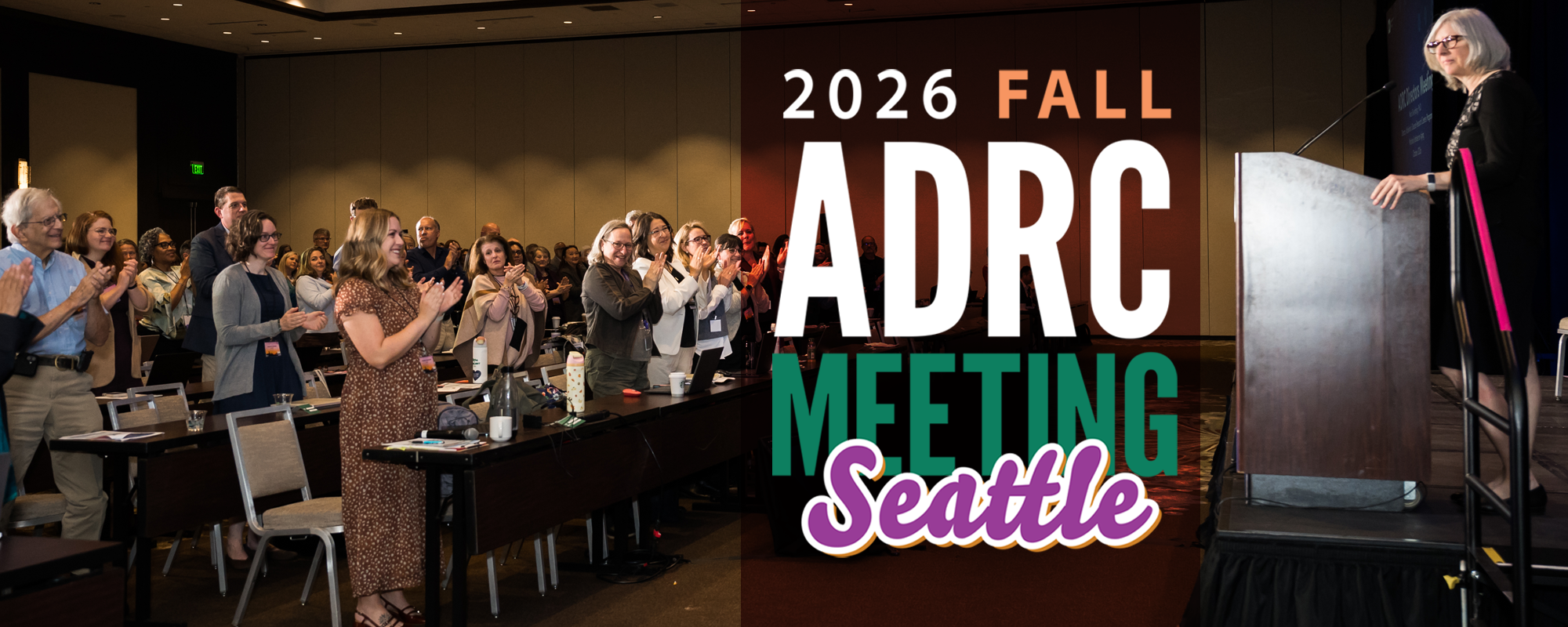
The 2026 Fall ADRC Meeting brought the ADRC network together in Seattle and online from October 25 to 28. Researchers, clinicians, and administrators from across the ADRC Program, along with colleagues from NIA and partner organizations, spent four days on the science and shared resources that move Alzheimer's disease and related dementias (AD/ADRD) research forward. A common theme appeared throughout the week. With the increased availability of therapeutics, the field is turning toward earlier detection and prevention, and the collaborative work that defines the ADRC Program is uniquely positioned to make that turn possible.
* Recordings are available to all registered attendees for 30 days. After that, they will be available to all ADRC Program members in the Resources library of the ADRC Portal.
Making Every Brain Donation Count: The Neuropathology Core and Data Core Workshop
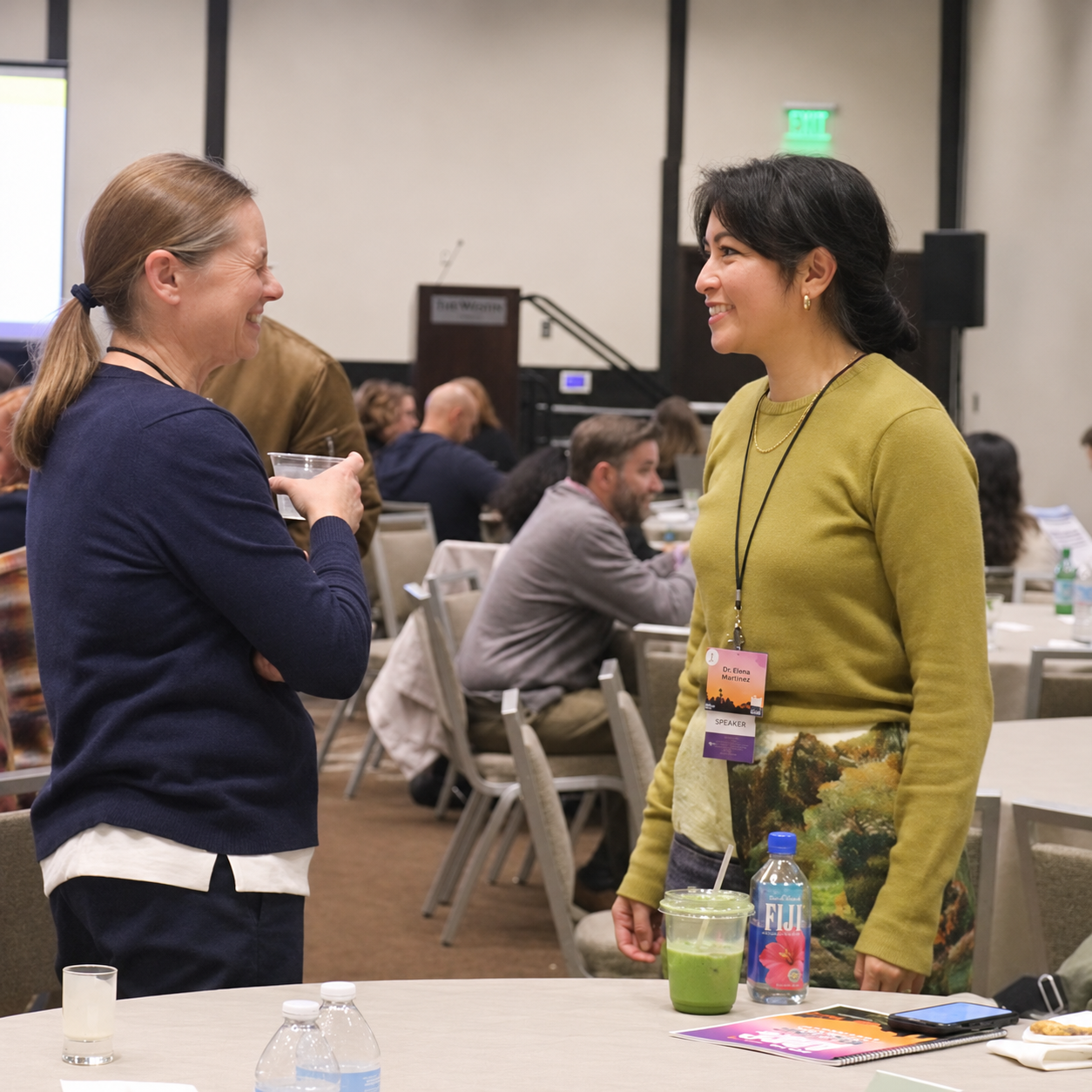
Planned by the Data and Neuropathology Core Steering Committees, the workshop examined how Centers can archive, share, and analyze brain tissue as digital data. Margaret E. Flanagan, MD, described the Brain Digital Slide Archive (BDSA), a federated platform that lets Centers share and analyze slides while maintaining site-level control of them. This platform aims to significantly reduce the financial burden on individual centers while increasing the potential scientific discoveries from ADRC brain donations. “A federated academic network is truly a cost-effective, sustainable path forward and the return is in the science,” Flanagan said. Alifiya Kapasi, PhD, and Paul Yushkevich, PhD, presented the infrastructure behind quantitative neuropathology at Rush and an open-source platform for digital histopathology from Penn, respectively.
Ana Capuano, PhD, opened the second half of the workshop with an important reminder for all researchers interested in neuropathology: “A brain specimen is finite...the scientific questions are not.” She encouraged researchers to be intentional when planning their studies in order to use brain samples in the most impactful way while ensuring future research remains possible.
Davis Woodworth, PhD, continued the workshop by presenting case studies utilizing NACC’s neuropathology data and addressing potential challenges and solutions found in using the data. Javier Ramos Benitez, PhDc, then discussed a continuous score for white matter injury. Uma Maheswara Rao Meleti, MS, wrapped up the presentation section of the workshop with a talk on developing uncertainty-aware neural networks. While test data used to train AI models is generally clean and predictable, real-world data is not. The model Meleti presented strives to address this by being more transparent about its own inabilities rather than confidently making mistakes when reviewing complex samples. “The goal is not that uncertainty-aware models never make mistakes. The goal is when they encounter something unfamiliar, their confidence should reflect that uncertainty rather than hiding the mistakes,” Meleti said.
Where the Field Is Heading: Directors Session, Part 1
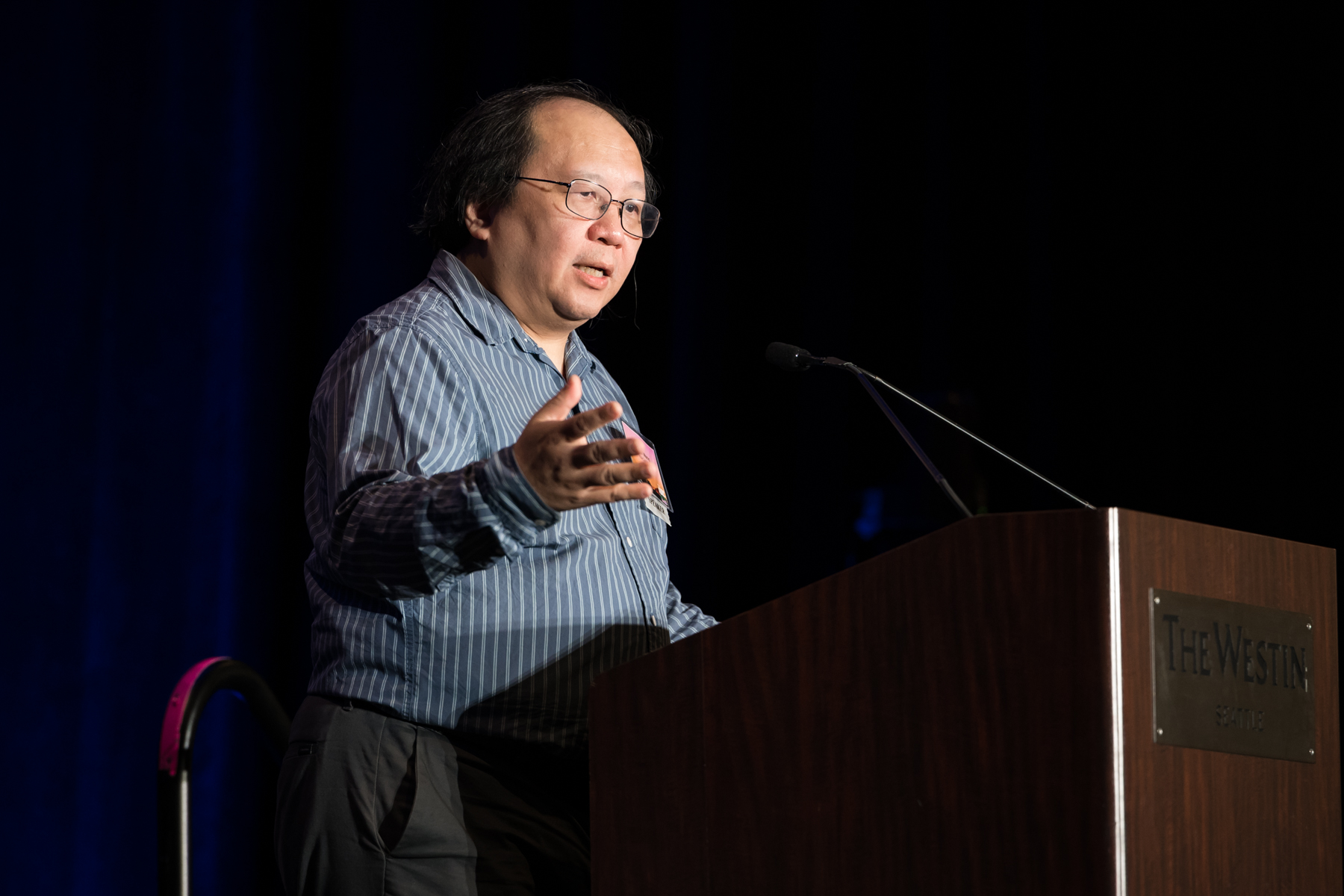
Sudha Seshadri, MD, chair of the ADRC Executive Committee, opened the Directors Session by describing a moment that is both exciting and challenging: treatments are here, and attention is turning to diagnosis and prevention. NIA Director Richard Hodes, MD, walked the Centers through changes in how NIH funds research, including the Unified Funding Strategy, simplified peer review, the six-application limit, and a proposed cap on awards. He also pointed to a NAPA Advisory Council recommendation for a coordinated national clinical research infrastructure, a new National Academies study on prevention, and the 2027 NIH Alzheimer's Research Summit.
Jennie Larkin, PhD, Acting Director of the NIA Division of Neuroscience, discussed some of the funding opportunities currently available at NIA. She also congratulated the 37 institutions funded as ADRCs and reminded the room that "the ADRCs are really a foundation for Alzheimer's and related dementia research." Nina Silverberg, PhD, covered relevant updates for ADRCs, including the 2026 Data Management and Sharing Plan format and shared resources the program is building, from a library of Clinicopathological Conferences to the completed NeuroBioBank pilot with the ADRCs. She specifically asked whether the Brain Donor Project can partner with ADRCs to increase the highest-value scientific donations. She also spotlighted various cross-program initiatives with important relationships with the ADRC program and significant impacts on AD/ADRD research, such as CLARiTI and ReCARDO.
Kari Stephens, PhD (NACC), Tatiana Foroud, PhD (NCRAD), and Li-San Wang, PhD (NIAGADS) shared updates from their respective programs, focusing on new data-sharing and researcher resources available across the ADRC Program.
Clinicians and Participants on Prevention and Treatment: Directors Session, Part 2
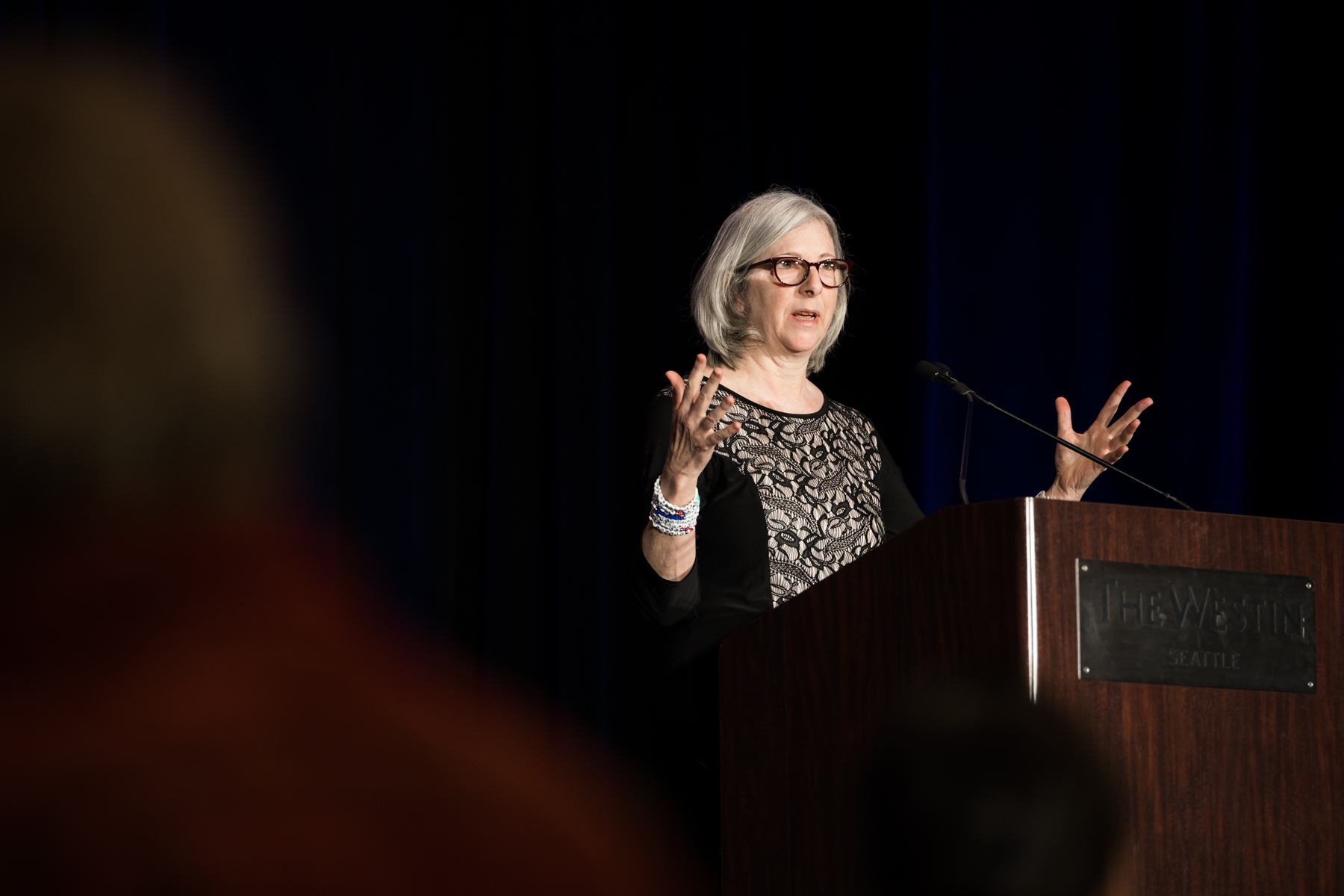
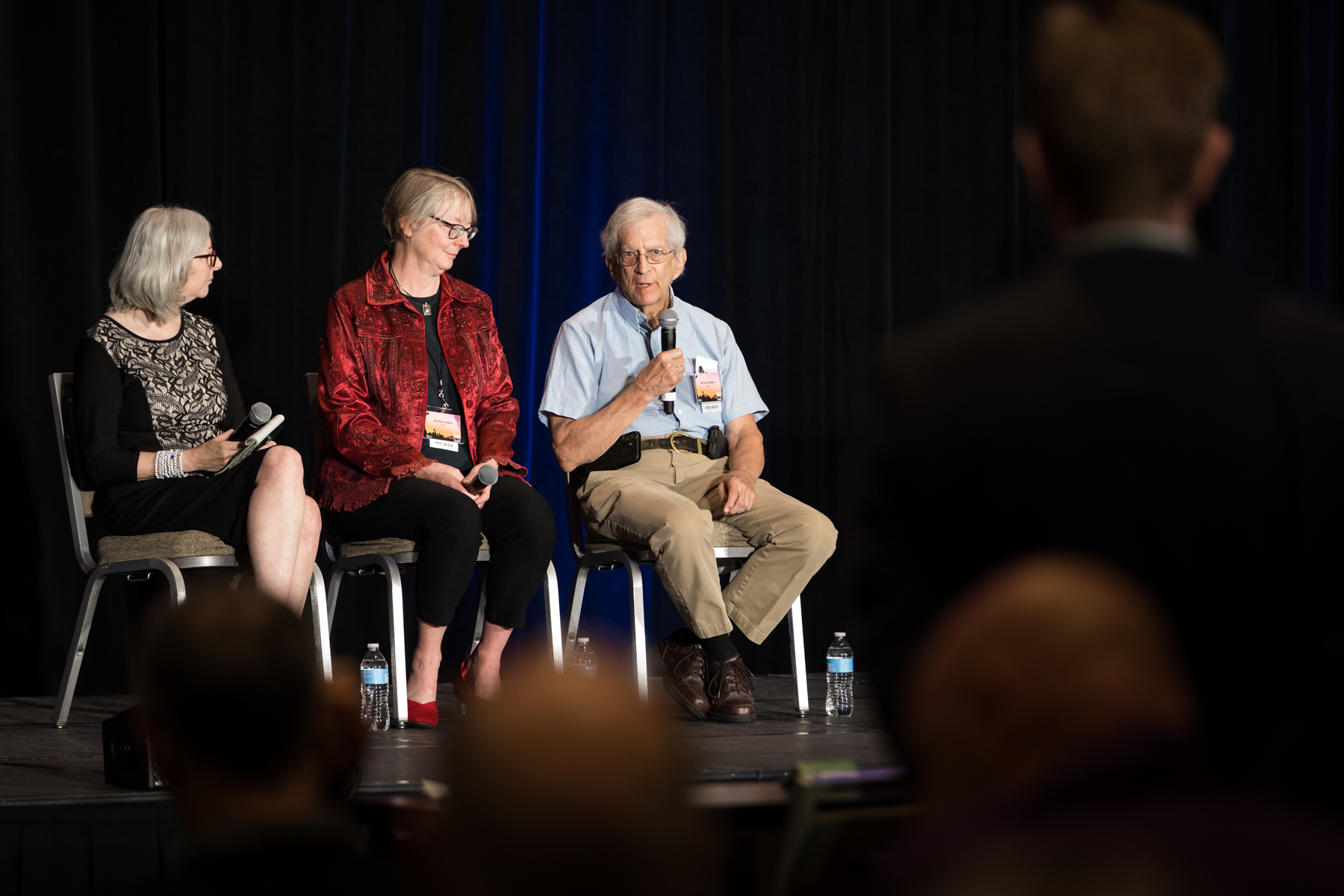
Part 2 of the Directors Session focused on "Prediction, Preclinical Diagnosis, and Prevention" of Alzheimer's disease, Lewy body disease (LBD), and frontotemporal lobar degeneration (FTLD). The session featured both research and lived experience through presentations by three clinician-scientists and three people living with or carrying genetic markers for these diseases.
Reisa Sperling, MD, made the case for identifying and treating Alzheimer's disease a decade before dementia. "Serious diseases require serious treatments," Sperling said regarding the importance of making treatments available to people with Alzheimer's disease as early as possible, even with potential risks associated with the currently available therapeutics. Jesse M. Cedarbaum, MD, presented PRISMS, a trial exploring Parkinson's disease through an immunological lens with a specific focus on the potential significance of REM sleep behavior disorder (RBD) as an early indicator of disease. Adam Boxer, MD, PhD, discussed challenges in developing prevention trials for frontotemporal lobar degeneration (FTLD) and how he and other researchers are working to address these issues while searching for effective treatments.
Brian Whitney, a research participant in the Dominantly Inherited Alzheimer Network Trials Unit (DIAN-TU), Bob Norman, who has lived with RBD for over 30 years, and Linde Jacobs, RN, a MAPT mutation carrier and co-founder of Cure MAPT FTD, shared what research asks of families and what it gives back. Norman described the kinds of research he would like to see gain focus and funding, including studies that look closely at how lifestyle choices such as diet and exercise might make people more resilient to developing neurodegenerative diseases. Both Whitney and Jacobs discussed their focus on participating in research to make a better world for their children. "We have been given a chance to fight back, to save the next generation in our families... Hope is the legacy I can leave for the next generation," Jacobs said about her fight to have people living with MAPT FTD included in clinical trials.
These participant perspectives offered inspiring and emotional insight into the people at the center of everything the ADRC network does. "Those datasets you see, that's us," Whitney said in conclusion of his presentation.
Extending What Centers Can Do: Advancing the Network with NACC
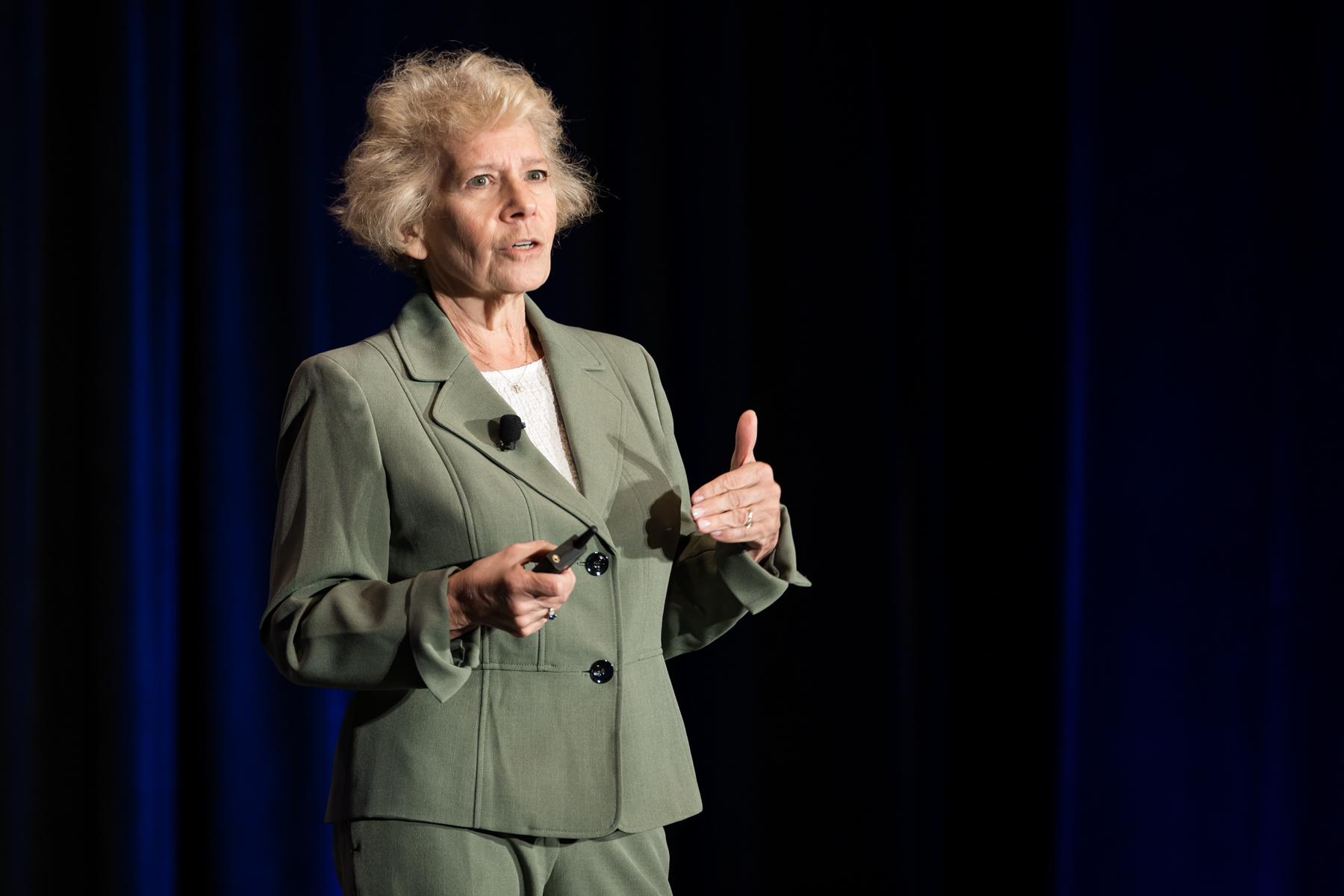
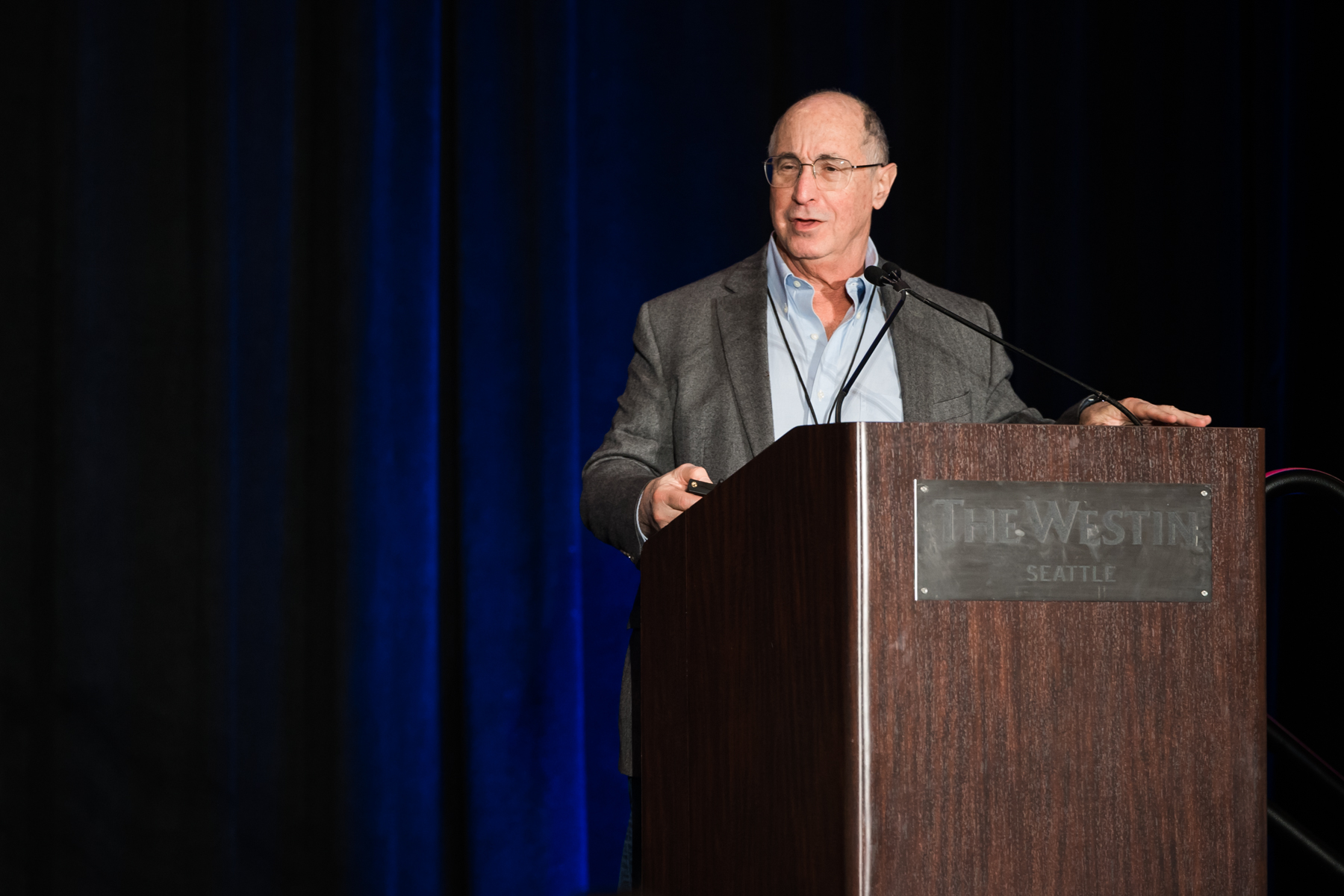
Chaired by Kari Stephens, PhD, this session focused on tools and partnerships that extend what Centers can do with their data. Ali Shojaie, PhD, laid out what it takes for AI to earn trust in ADRD research. "We need more than availability of data; we need AI tools to be trustworthy," Shojaie said.
Jinkook Lee, PhD, and Sara Adar, ScD, MHS, introduced the Gateway Exposome Coordinating Center (GECC), whose curated environmental exposure data and linkage code will allow Centers to better understand the environmental factors that can shape aging across a participant's life. Chad Murchison, PhD, also provided a testimonial as to the ease of connecting GECC data with already gathered ADRC data, based on his experience at the UAB ADRC. The UAB ADRC has already used this linked data to map air pollution and neighborhood deprivation across Alabama.
Matt Clement, PhD, and Caitlin McHugh, PhD, of the AD Data Initiative closed with a demonstration of combining NACC Uniform Data Set data with Global Neurodegeneration Proteomics Consortium (GNPC) data in the AD Workbench. NACC data is now able to be piped directly into the AD Workbench, significantly reducing barriers for researchers wanting to analyze NACC data in this system.
A Resource Built with the Centers: CLARiTI Session
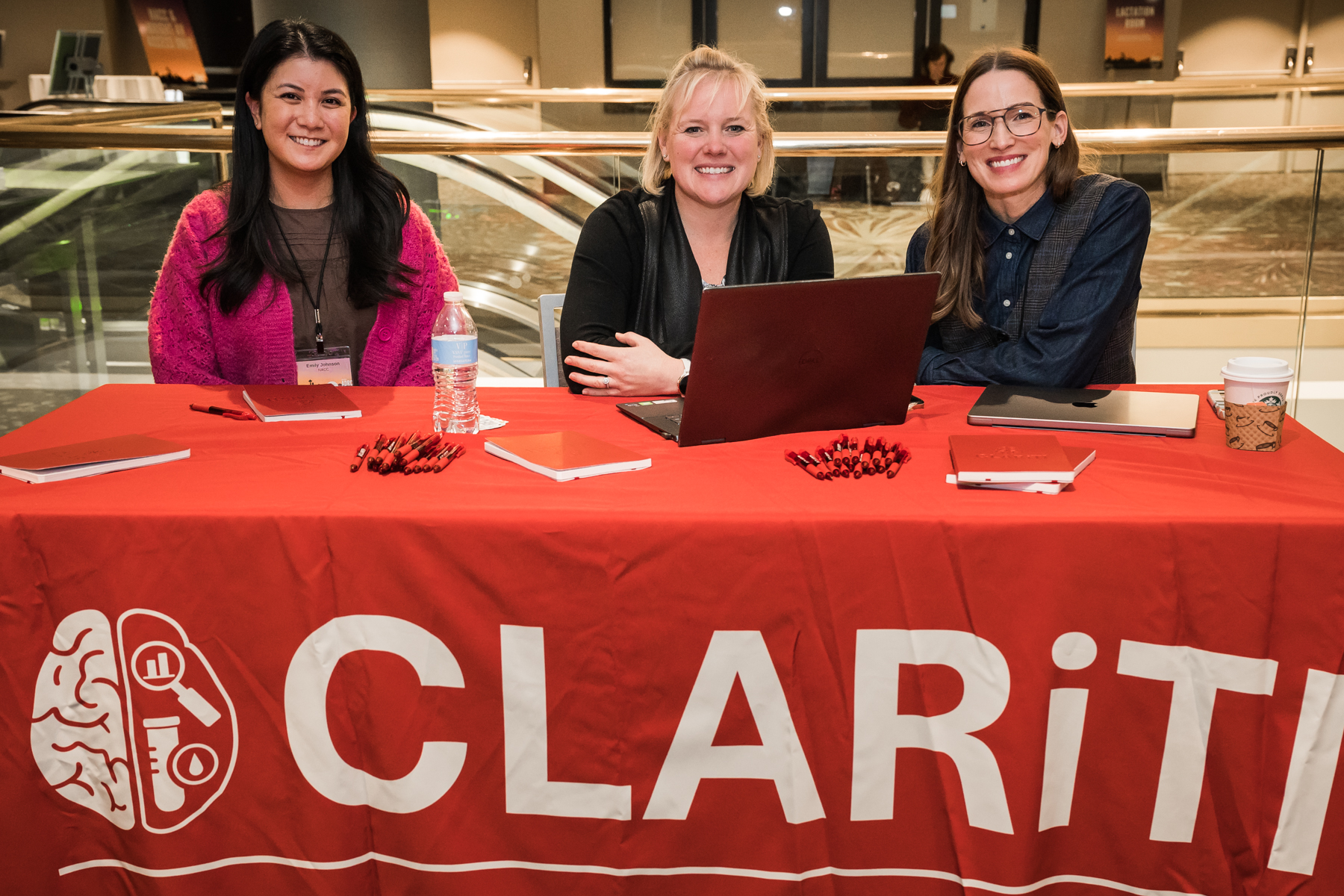
Chaired by Sterling Johnson, PhD, and Beth Mormino, PhD, the CLARiTI Session reported on the study's progress, including enrolling more than 1,200 participants across 35 ADRCs, with over half of participants from populations underrepresented in research. Data from over 1,100 of these enrolled participants is now available in the October 2026 NACC data freeze. Additionally, Johnson discussed changes coming with Protocol V5: new enrollees must be from a group underrepresented in research or a confirmed brain donor; lumbar punctures are now an optional reimbursed procedure.
Sarah Biber, PhD, described a new national proteomics initiative that will run a blood panel measuring 220 proteins that may help identify important disease markers. These panels will be run on plasma the ADRCs have already banked; then data will be linked to NACC clinical, imaging, genetic, and neuropathology data, and results will be returned to the Centers. Nicholas Ashton, PhD, made the case that paired CSF remains essential for finding and validating blood biomarkers. "At the moment, we've never discovered a biomarker directly in blood without it being shown in CSF first.... I hope that changes, but that shows the starting point needs to be a more CSF-enriched matrix for us to do discovery," Ashton said. The session closed with the announcement of Chris Brown, PhD, as the first CLARiTI Fellow. Brown was previously a REC Scholar and will be working on his CLARiTI-funded project, "Untangling Multi-Etiology Cognitive Impairment using Tau Mismatch," starting in January 2027.
Relive the 2026 Fall ADRC Meeting!
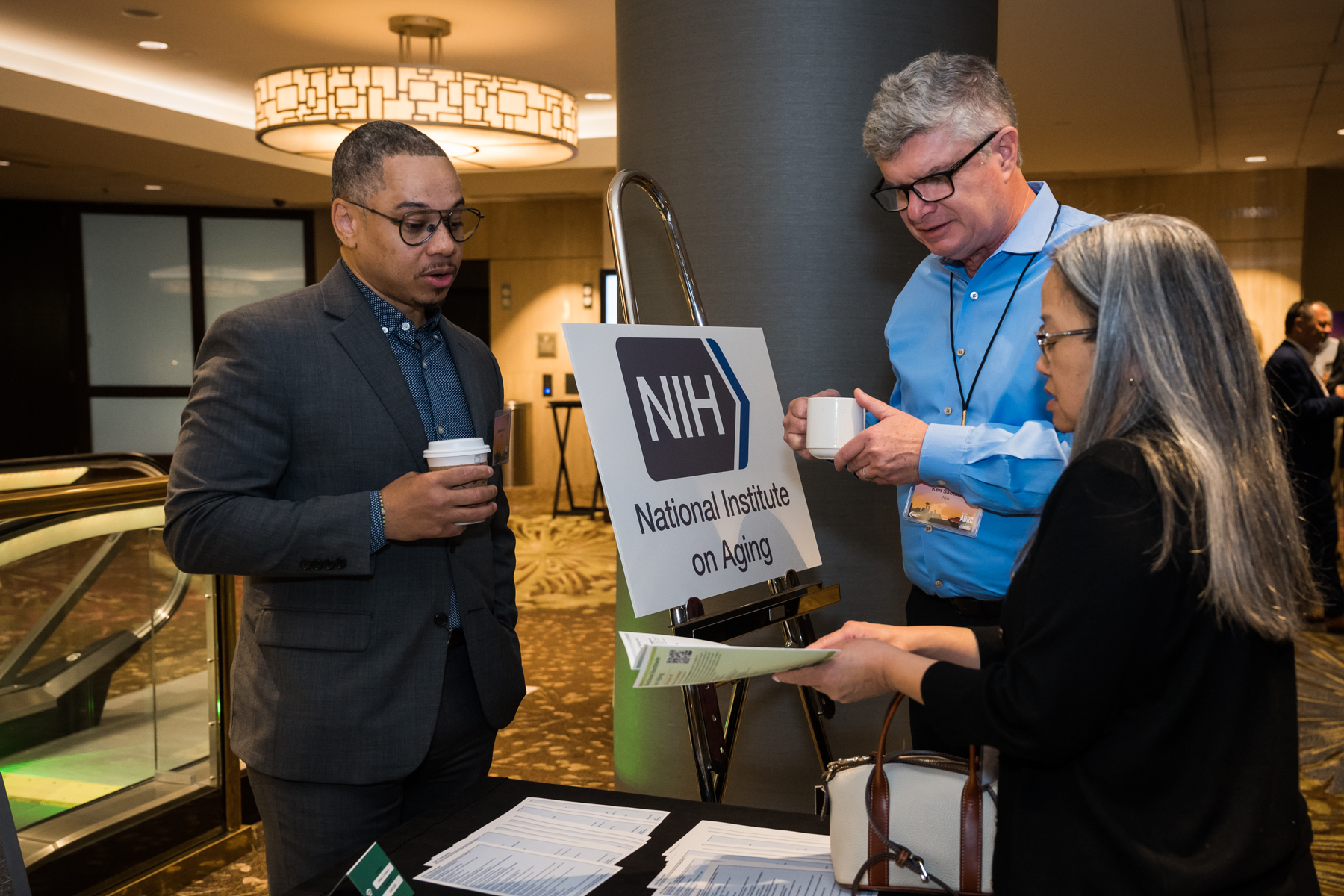
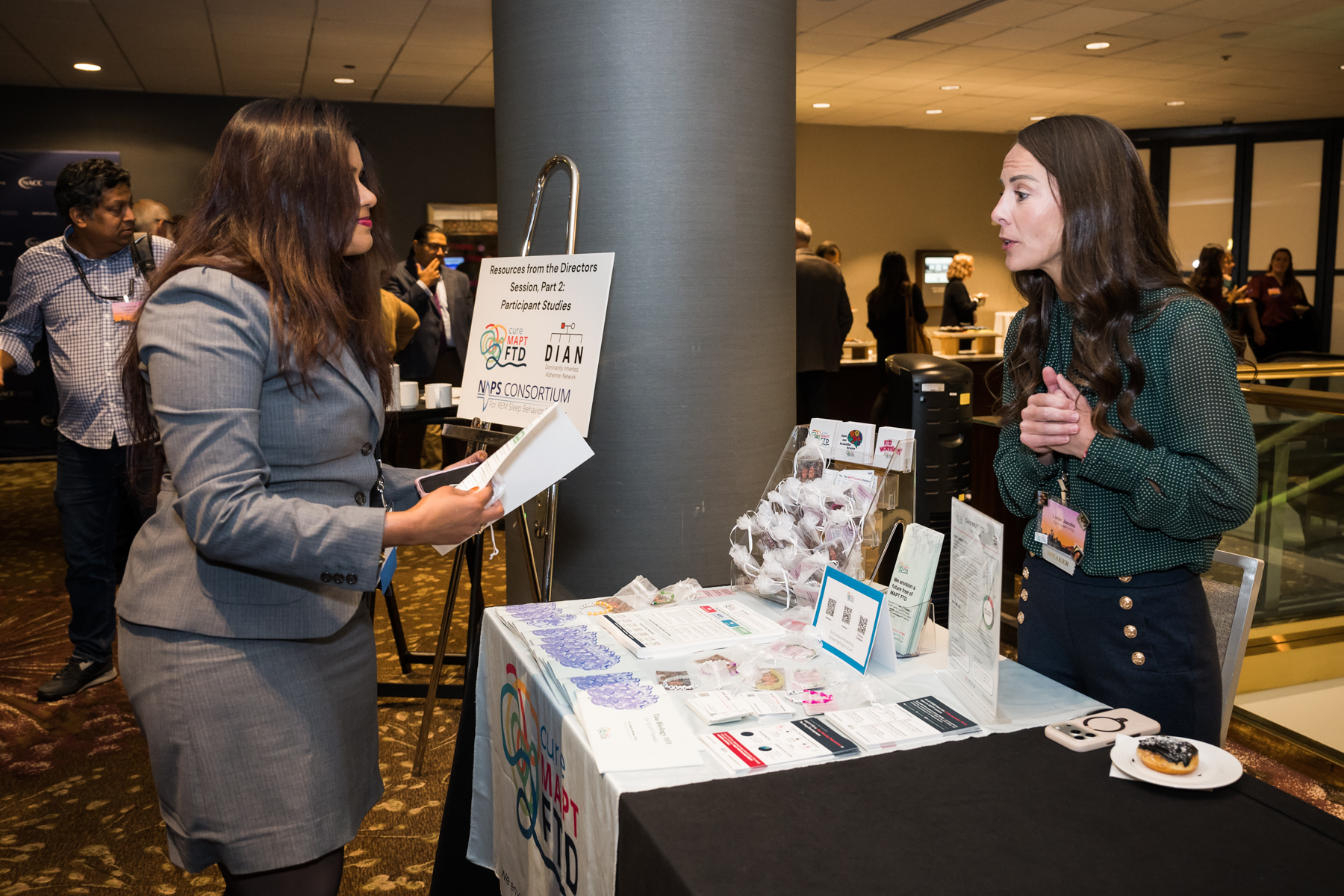
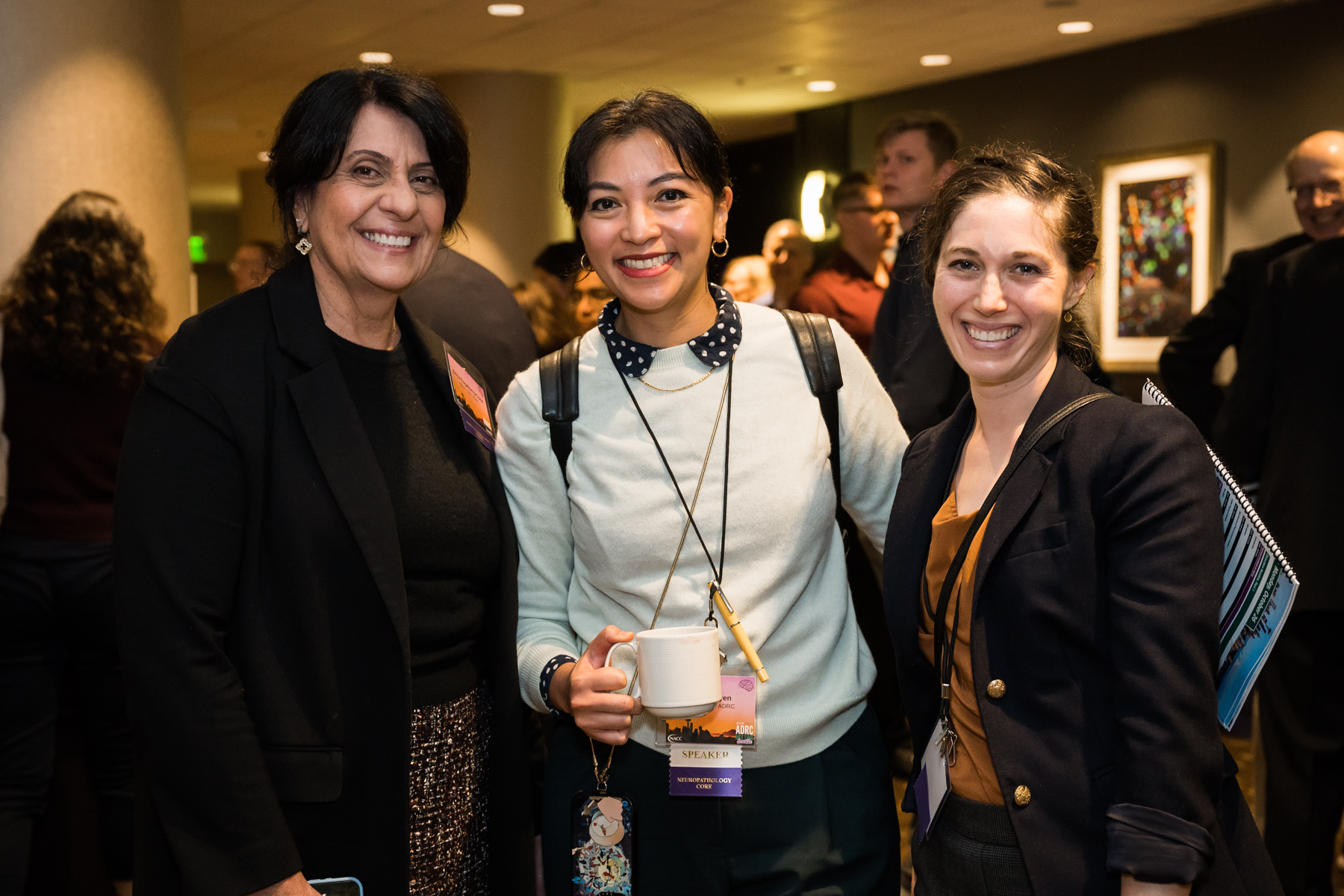

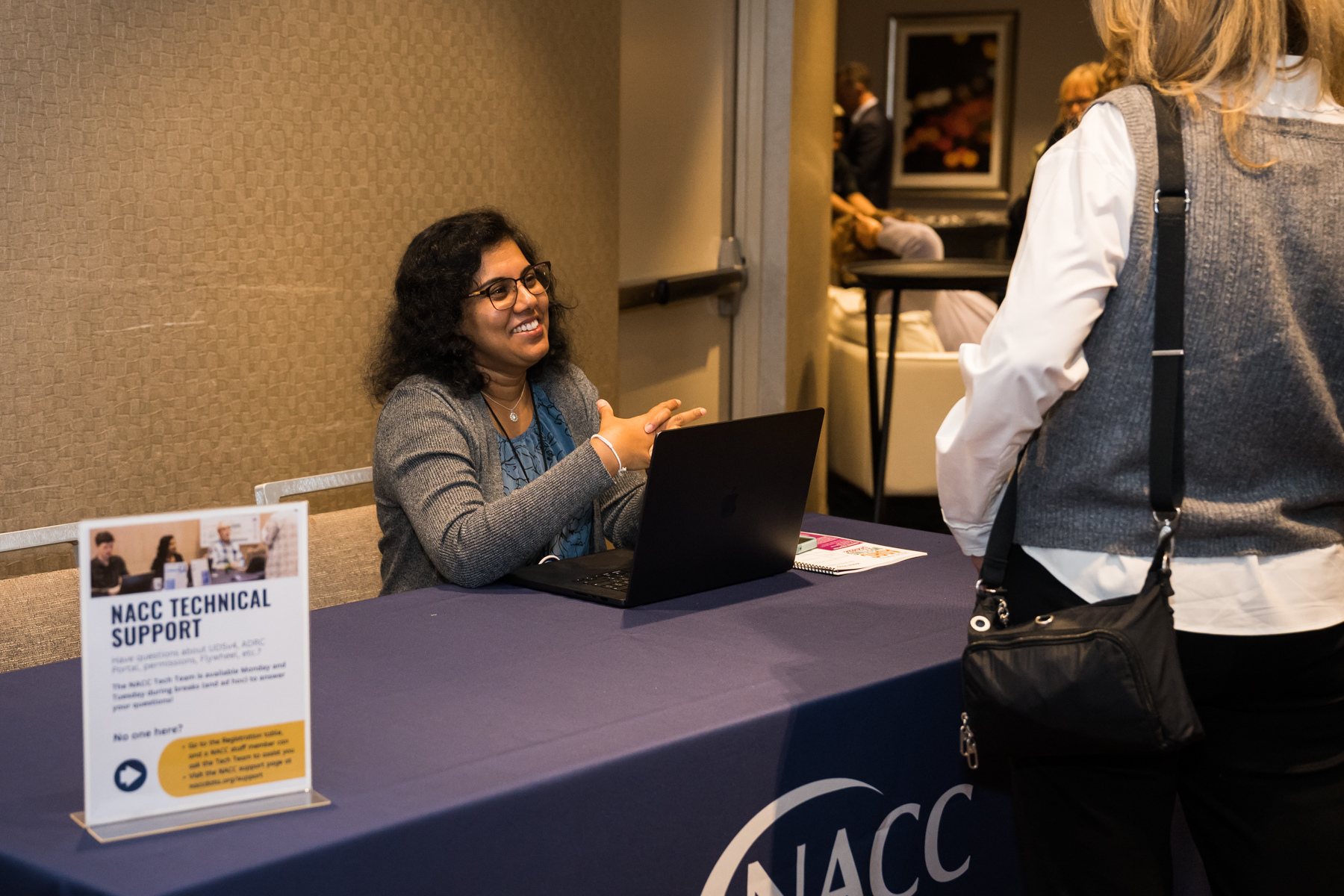

Recruitment, Tissue, and Data: ADRC Core Sessions
Recruitment as a Science: ORE Core Session
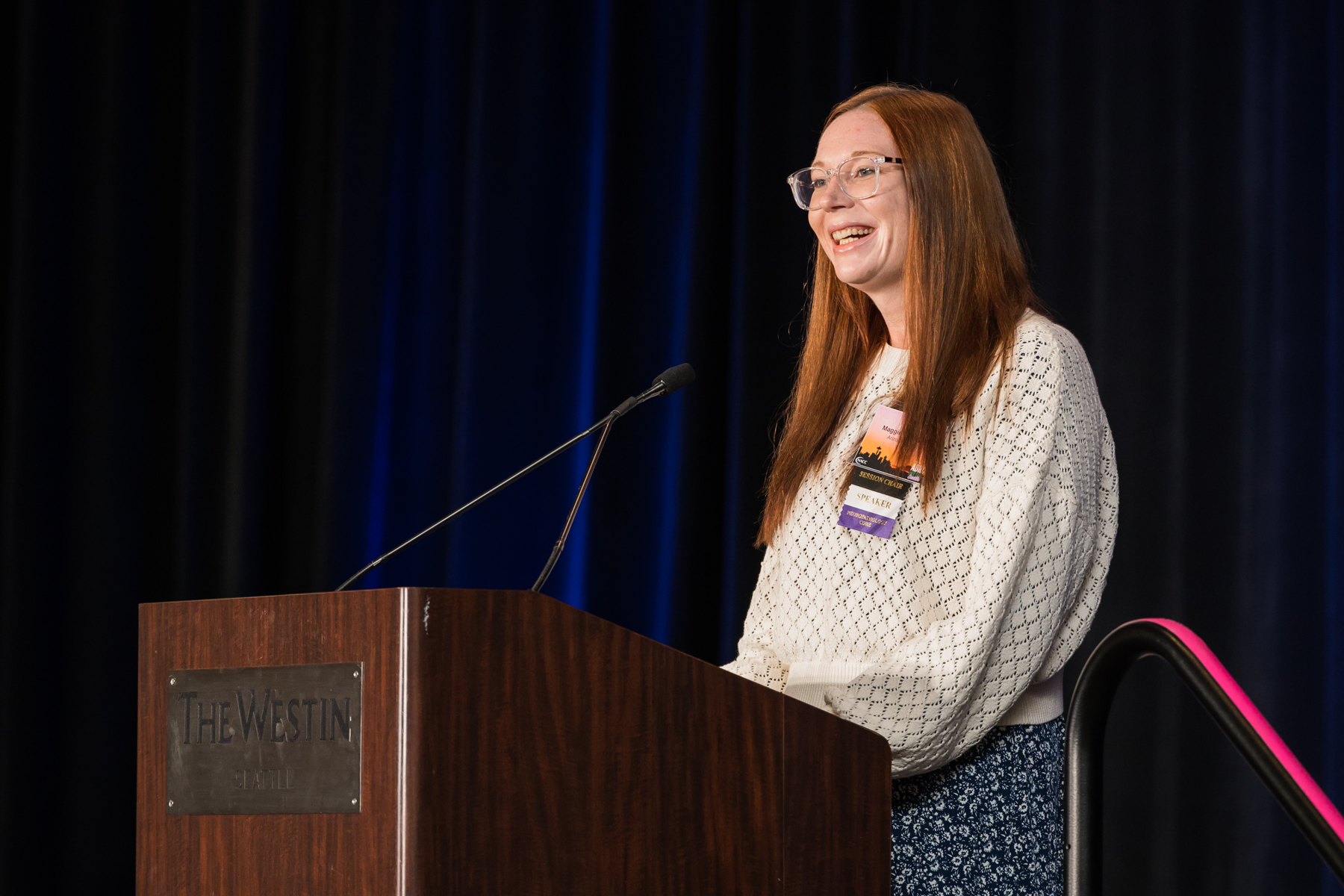
The ORE Core Session asked the network to treat recruitment as a science. Session chairs Annalise M. Rahman-Filipiak, PhD, and Jaime Perales Puchalt, PhD, introduced the new NACC Best Practices for Community and Participant Advisory Boards, a living reference with a checklist for Centers. Mireille Jacobson, PhD, reviewed published evidence on AD/ADRD recruitment and found room for improvement, with no randomized tests of recruitment strategies and few studies reporting costs or the full recruitment process. She offered easy-to-implement solutions, including randomizing materials already used in clinical trials, such as recruitment marketing messages and materials.
In a panel on how ADRCs and the Alzheimer's Clinical Trials Consortium (ACTC) can coordinate outreach, Joshua Grill, PhD, and Crystal M. Glover, PhD, discussed tracking where participants come from and counting the staff time behind recruitment. "Just quantifying where people come from is a low bar, but it's a meaningful opportunity for us to better understand what's working and what isn't," Grill said. Darby J. Morhardt, PhD, and Raina Croff, PhD, closed the session by calling for participants' lived experiences to be centered as the most impactful and reliable message, and for those same participants to be the most meaningful messengers to encourage others to enroll in research.
Four Decades of Neuropathology
Marking four decades of NIA-funded ADRCs, the Neuropathology Core Session, chaired by Margaret E. Flanagan, MD, traced what Neuropathology Cores have delivered and how autopsy now works alongside biomarkers, imaging, and digital pathology. Luke Fischer, MD, PhD, opened by describing neuropathology as a gold standard that keeps evolving as research and science evolve. Three researchers then shared their work and their career paths and credited the ADRC network: Angelique Gonzalez on measuring small vessel disease burden from NACC neuropathology data, Jeffrey Nirschl, MD, PhD, on a computational neuropathology program that grew from his time as a REC Scholar, and Aivi T. Nguyen, MD on microglia and resilience.
C. Dirk Keene, MD, PhD, outlined PATH-FIND, SEA-AD 2.0, and the Brain Health Accelerator as neuropathology research opportunities available for ADRCs to join and urged the network to support trainees "now more than ever." Dr. Keene, David Irwin, MD, Brittany Dugger, PhD, Konstantinos Arfanakis, PhD, Julie Schneider, MD, and Tatiana Foroud, PhD then discussed what autopsy adds alongside biomarkers, why harmonizing methods across Cores matters, and how Cores, NACC, and NCRAD can work together.
New Data, Protected Participants: Data Core Session
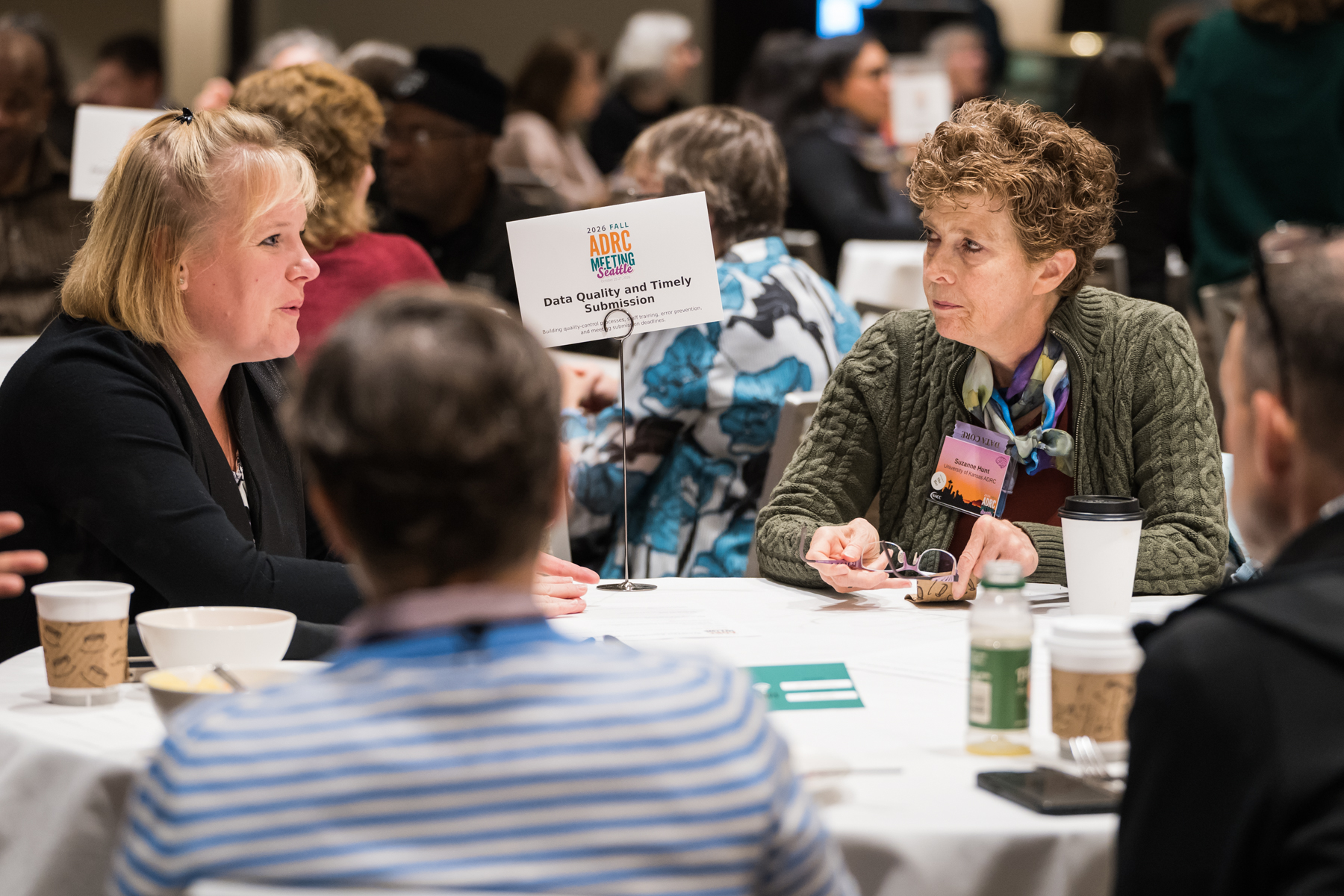
"Advancing ADRC Data Science: Multimodal AI and Digital Assessment," chaired by Ana Capuano, PhD, examined how new data types and AI can expand research while protecting participants. Sudeshna Das, PhD, asked whether remote cognitive testing changes scores in NACC data. Da Ma, PhD, linked deep polygenic risk to gene expression and brain imaging. Zihuai He, PhD, introduced SPHERE ADRC, a shareable synthetic twin of the Stanford ADRC cohort with an AI analysis agent. Hiroko Dodge, PhD, and Shreyas Aswar, MS, described how speech recordings from UDSv4 testing can be shared without identifying the participants who have been recorded. A closing panel discussed issues of representation in ADRC samples and how Data Cores and ORE Cores can work together to address issues of underrepresentation.
*Recordings are available to all registered attendees for 30 days. After that, they will be available to all ADRC Program members in the Resources library of the ADRC Portal.
The Next Generation of ADRC Research: REC Poster Sessions and Rising Star Awards
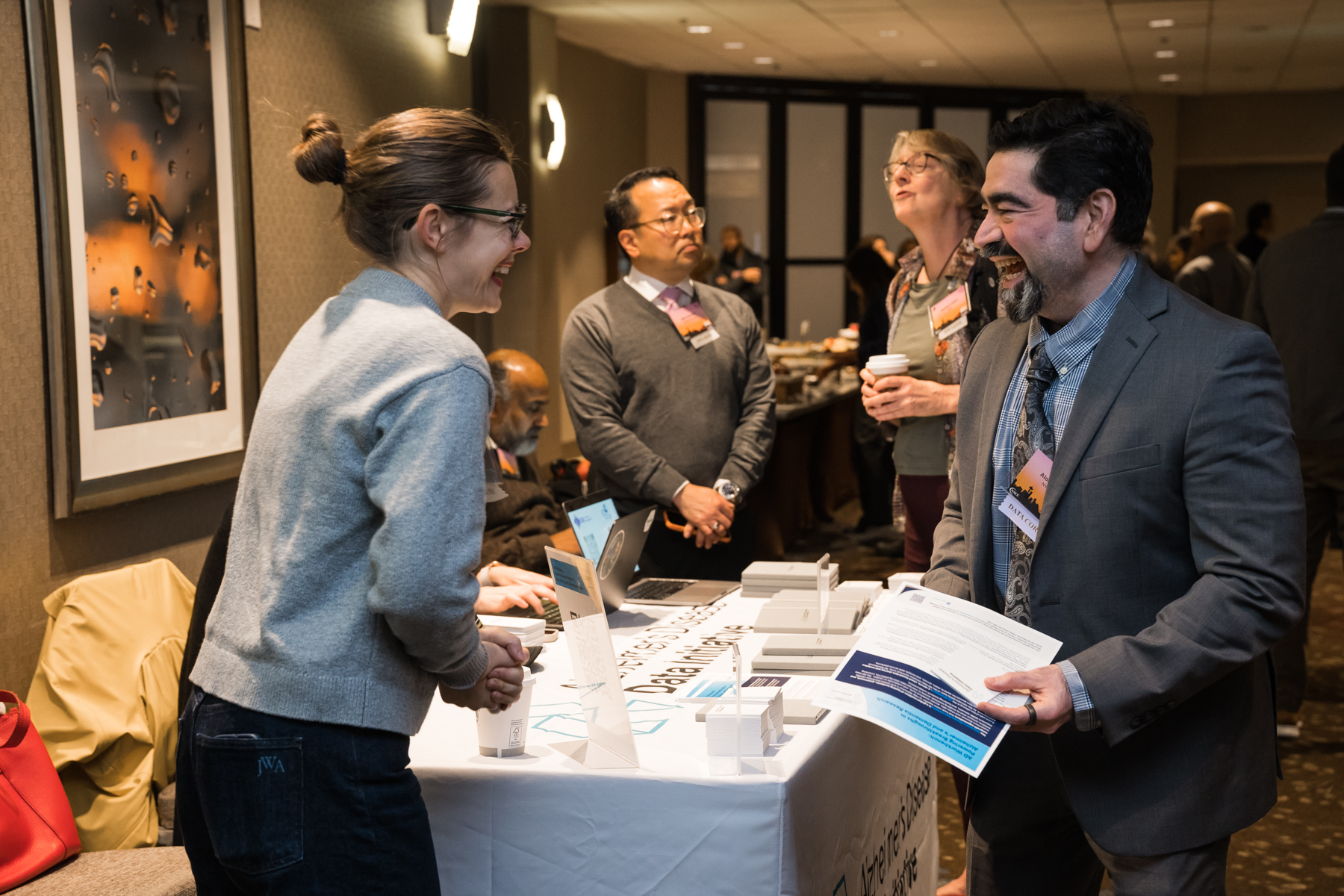
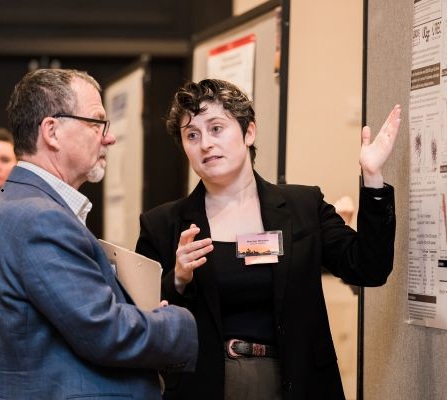
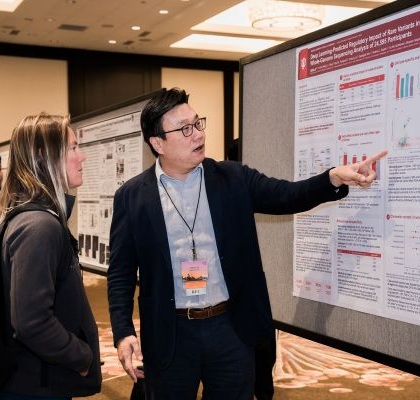
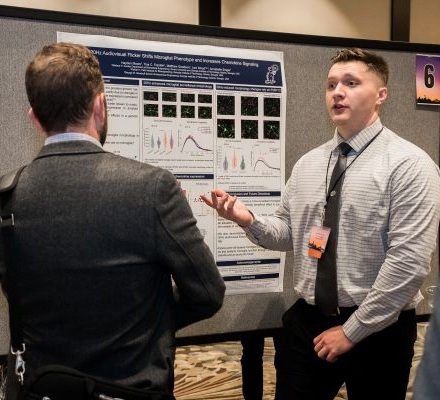
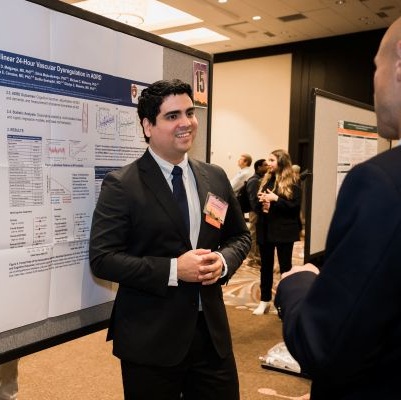
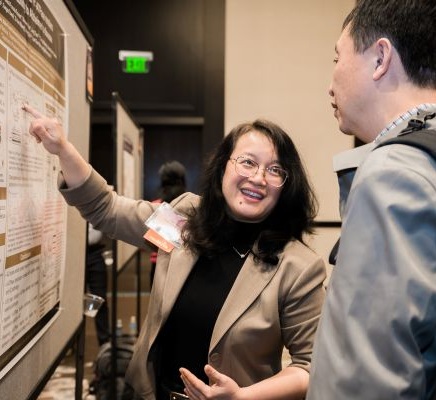
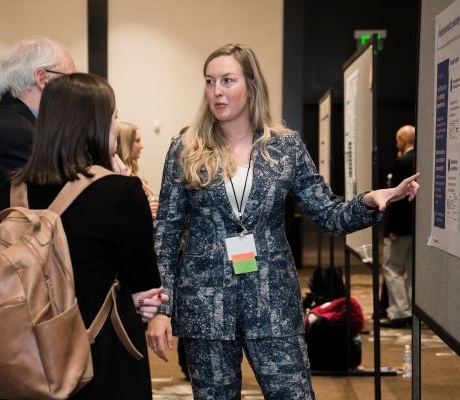
The REC Poster Sessions, in person on Tuesday and online on Wednesday, showcased 31 new and early career investigators and Research Education Component (REC) scholars. Their posters spanned biomarker development and novel imaging, health equity in underrepresented communities, artificial intelligence and machine learning, lifestyle interventions, novel therapeutics, and community engagement and caregiver support.
Judges scored each poster on organization, potential for scientific impact, comprehension, and overall visual presentation. Three presenters received Rising Star Awards, each with a $1,000 award from NACC.
Thank you to the REC Steering Committee and all of the poster judges, and congratulations to every presenter.
A Community Worth Celebrating: The Centers' Reception
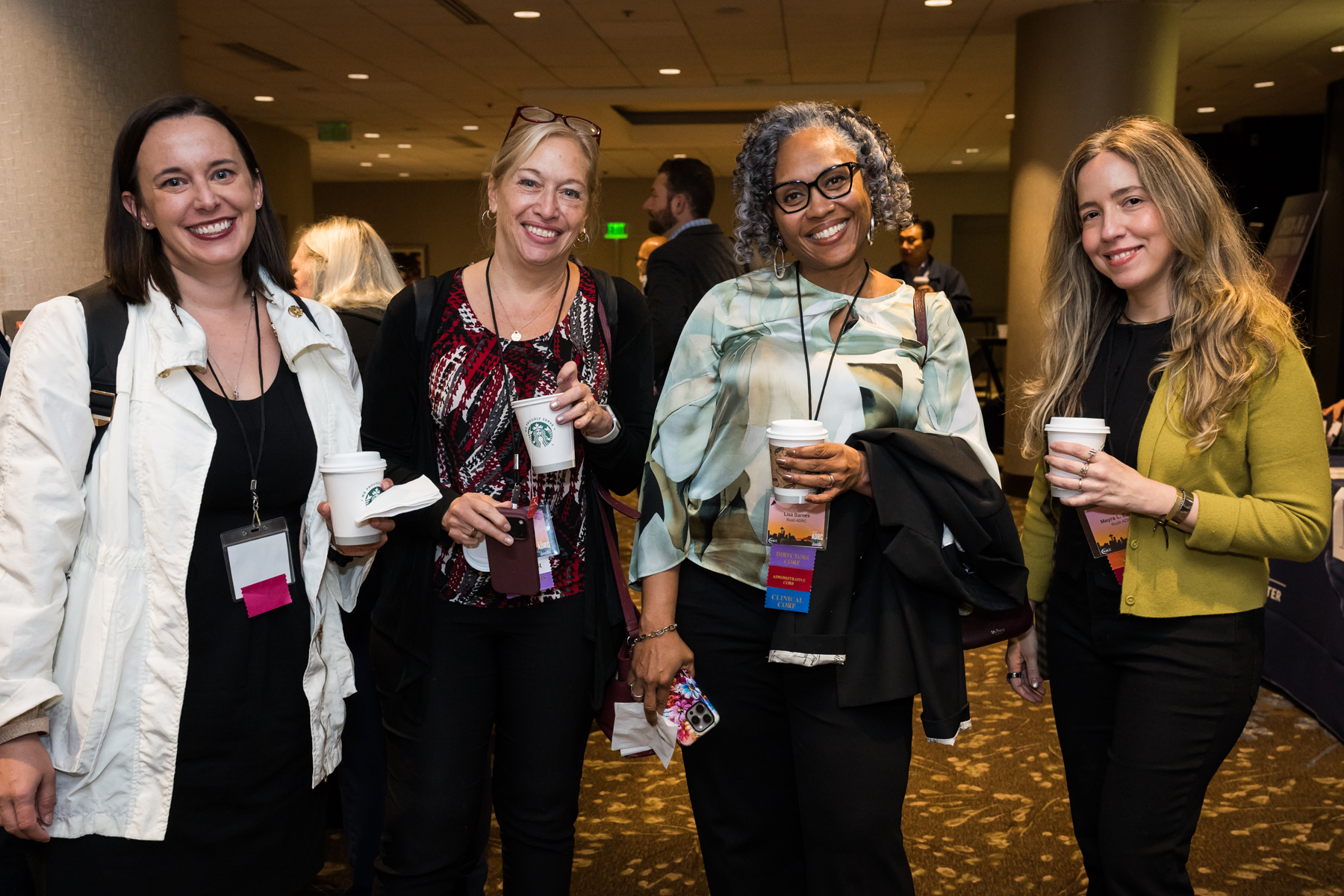
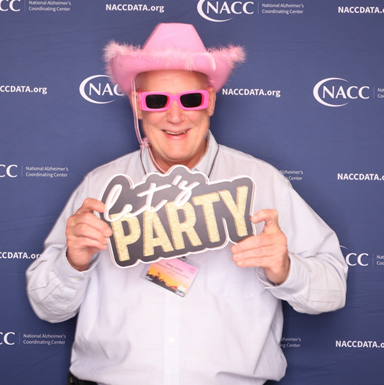
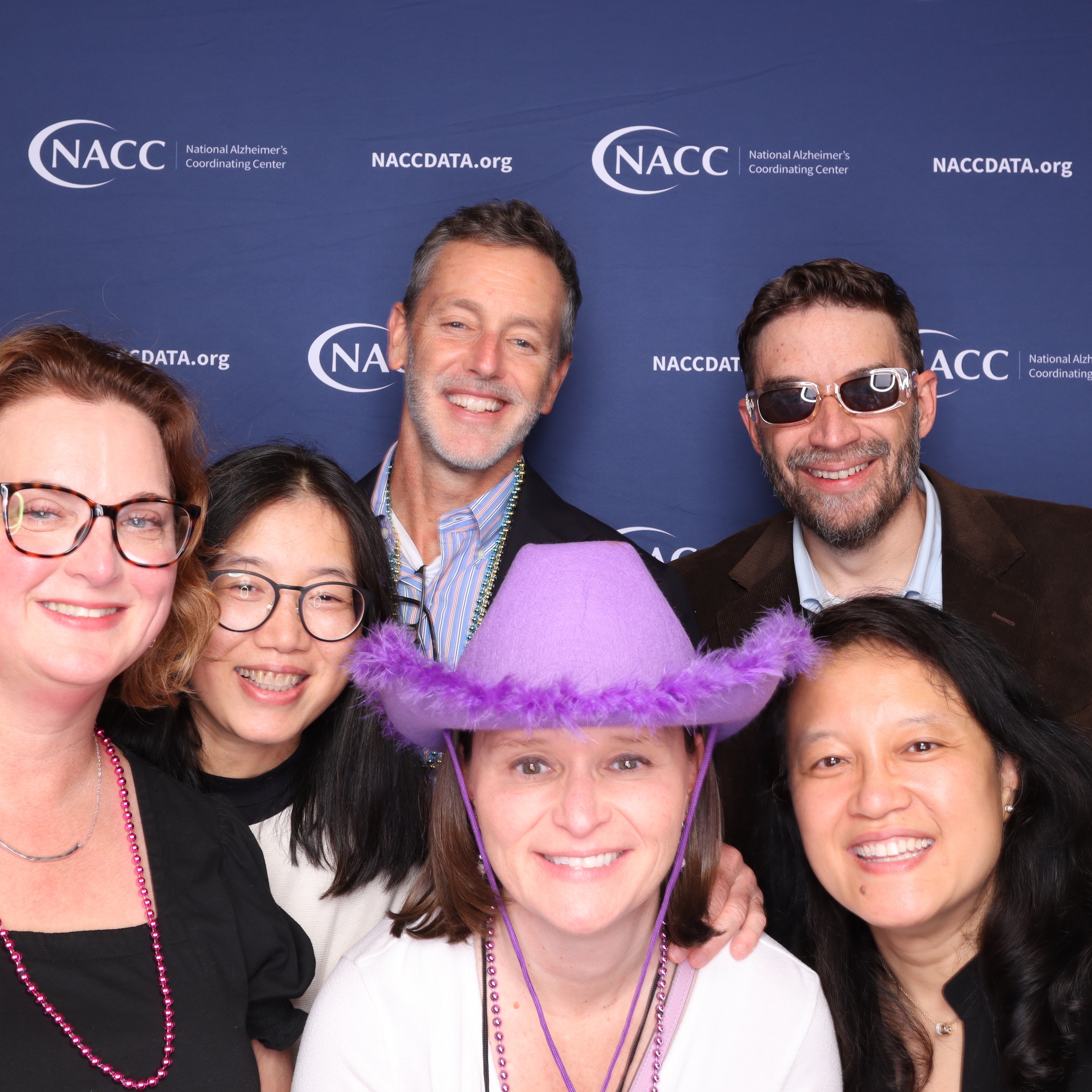
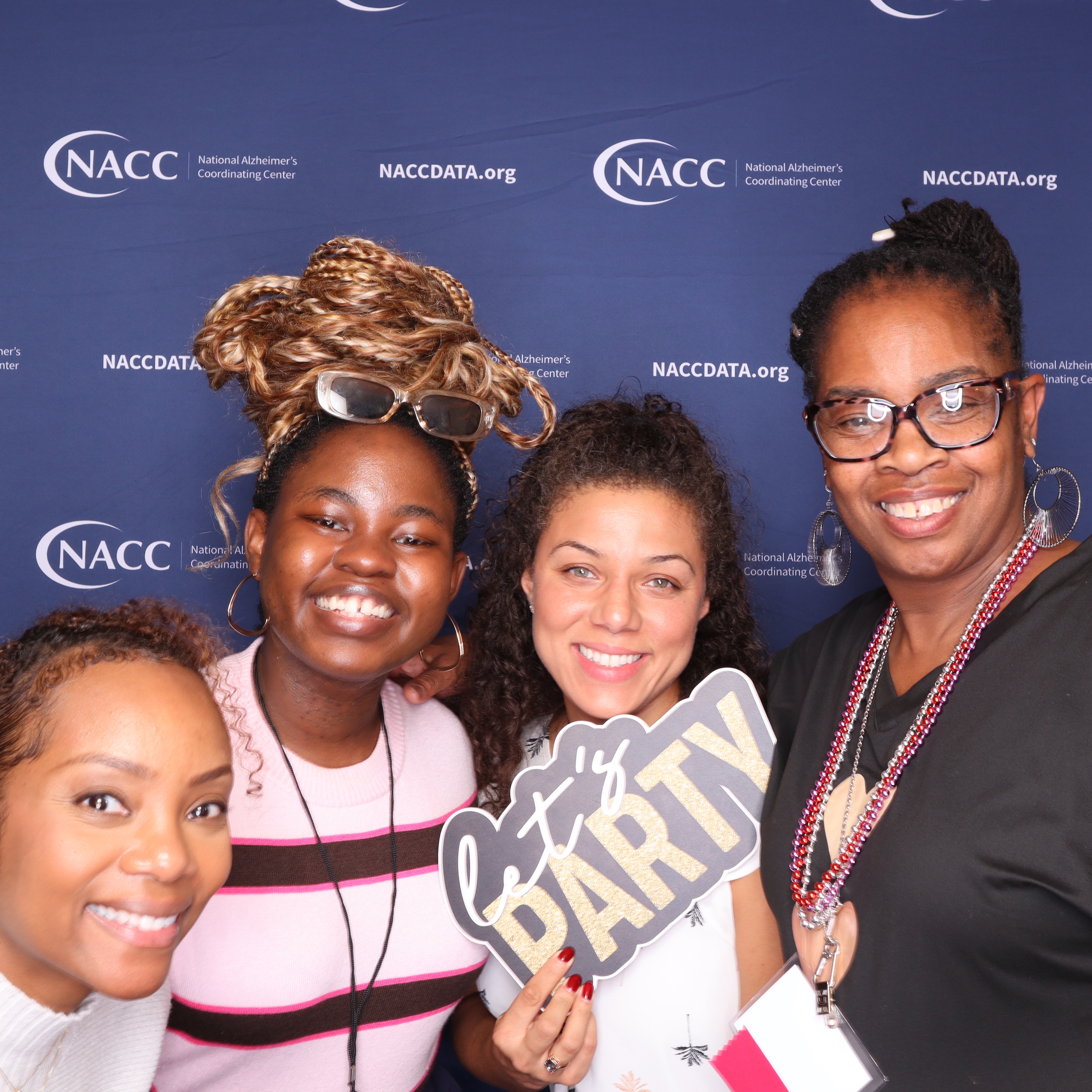
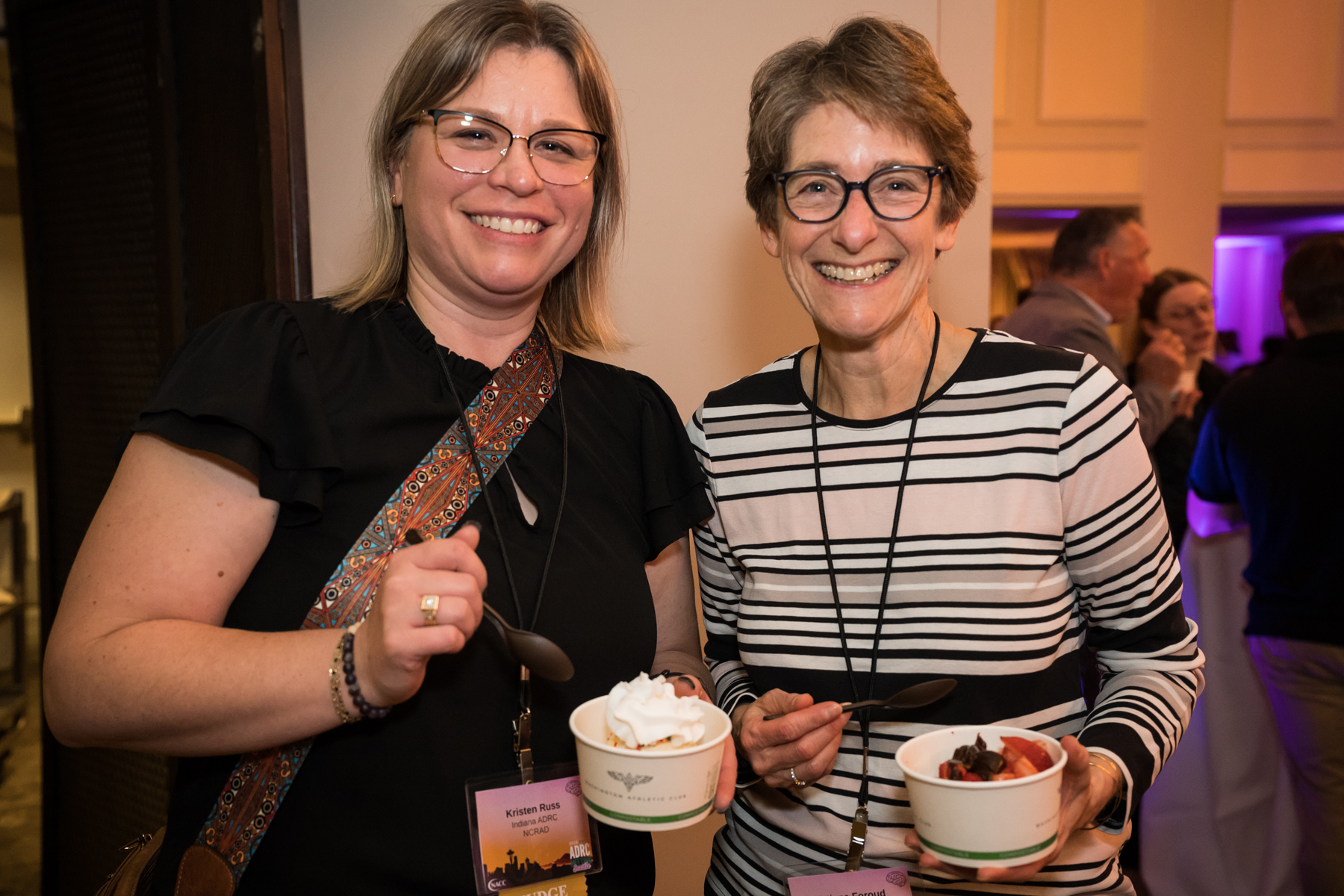
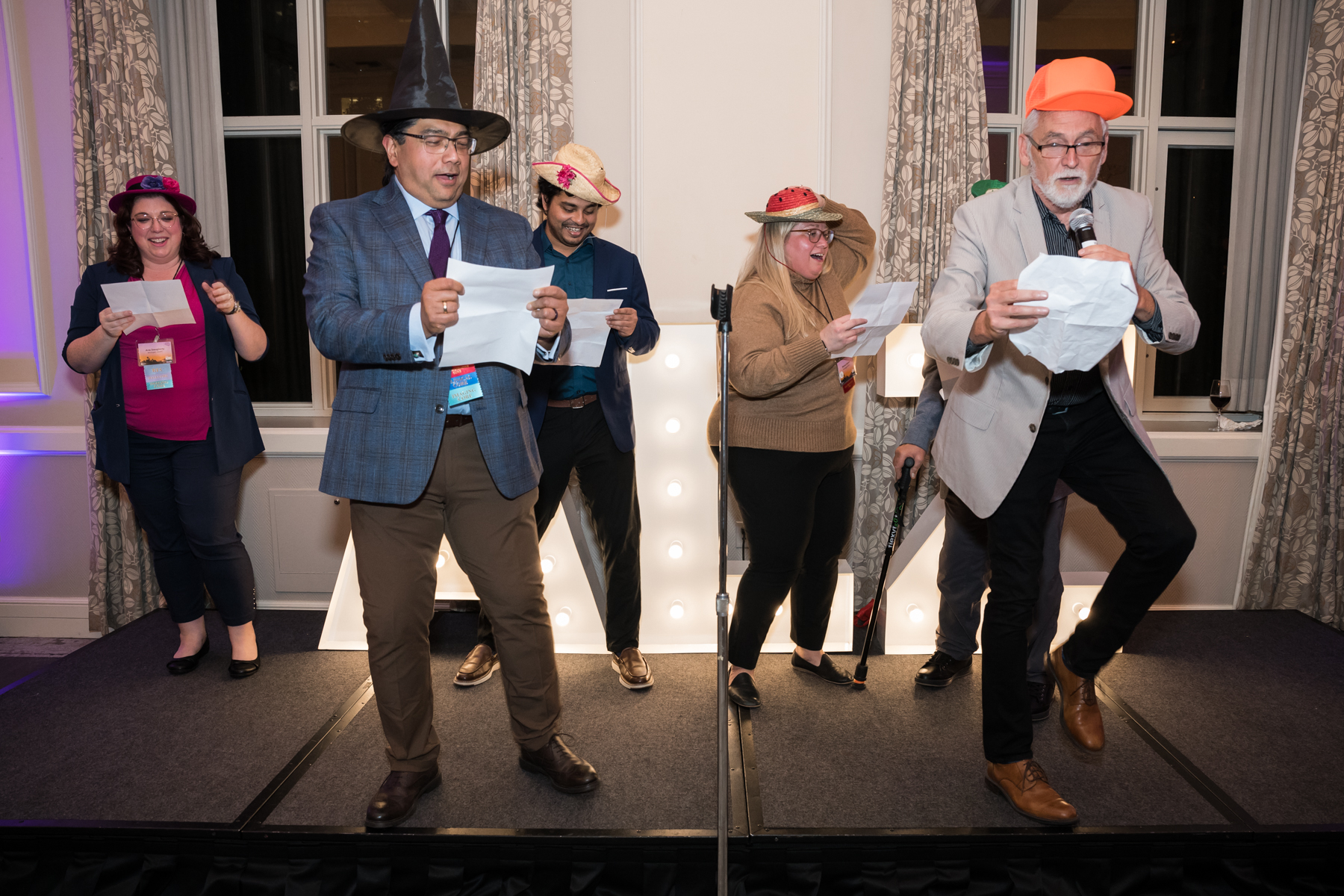
On Monday evening, the Alzheimer's Association sponsored the Centers' Reception, welcoming all in-person attendees for an evening of conversation and connection. It is always one of the highlights of the meeting, and this spring was no exception. Evenings like this one are a reminder that the connections made outside the meeting rooms are just as important as the science discussed inside.





Until Next Time
Thank you to all speakers, chairs, moderators, poster presenters, and judges. Several ADRC Steering Committees also welcomed new members and thanked those rotating off for their service. Recordings are available to all registered attendees for 30 days. After that, they will be available to all ADRC Program members in the Resources library of the ADRC Portal.
Save the date! The 2027 Spring ADRC Meeting will be held in Phoenix, Arizona, April 25 to 28, 2027.