Interview Spotlight: Insights on AI/AN Participant Retention in NACC Research
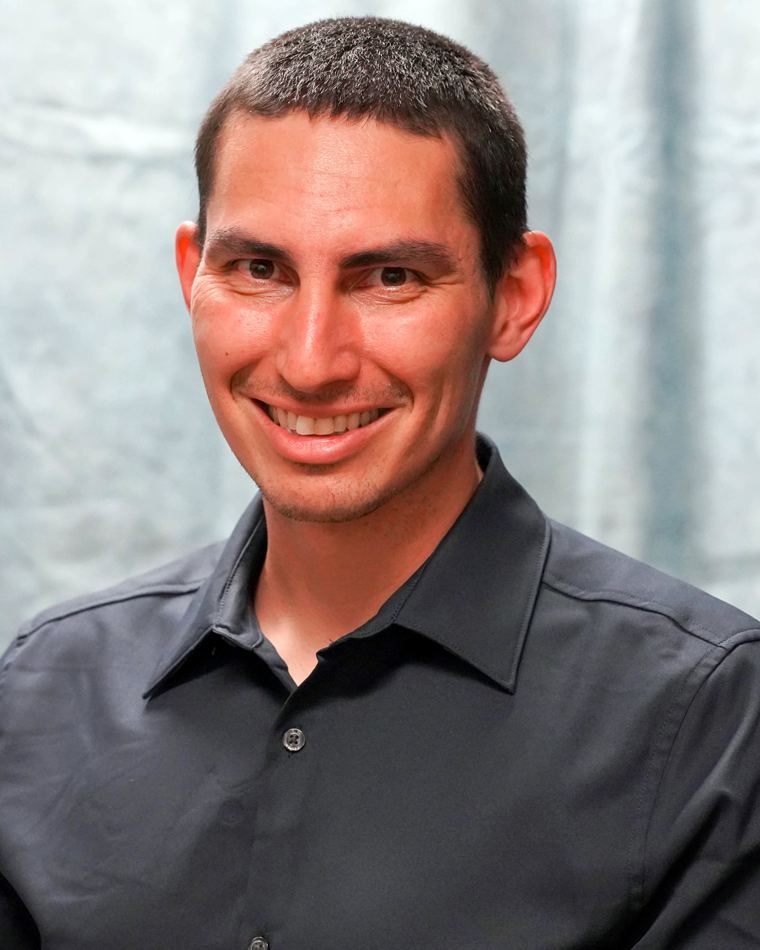
Kyle R Conniff
Department of Statistics
University of California, Irvine
My work primarily examines the retention rates of American Indian and Alaska Native (AI/AN) research participants within the National Alzheimer’s Coordinating Center (NACC) Uniform Data Set (UDS). AI/AN communities are vastly underrepresented in research, not just in terms of recruitment but also in follow-up participation. At the time, NACC UDS included a few hundred AI/AN-only identifying participants, which was (and still is) a relatively large sample for AI/AN participants in research. We had a general sense that these participants did not have the same follow-up rates as participants from other racial and ethnic groups, particularly non-Hispanic White participants; however, this had never been quantified. To address this, we quantified follow-up rates and found that AI/AN participants indeed had lower retention rates, which can introduce bias in longitudinal research.
My journey with the NACC UDS began through mentorship and collaboration with experts in data management and outreach at the UCI ADRC. My dissertation work dealt with Indian Health Services (IHS) data, which has a rigorous Tribal review process for research projects from the idea-generation phase through the final draft of the manuscript and any abstracts or presentations. In contrast, the NACC data lacked such oversight, even after specifying my interest in the AI/AN sample. This experience highlighted stark differences in data access and oversight between IHS and NACC data, prompting me to think more about data sovereignty and ethics.
Working with Indigenous data from the two ends of oversight has embedded an appreciation for the importance of data control and cultural context in research. The rigorous review processes and oversight in IHS research ensure that the research is conducted respectfully and accurately represents Indigenous communities. Without such oversight, there is a risk of interpreting results through a biased lens, which can make Indigenous participants appear to be the problem when, in fact, the research design itself may be creating barriers for them. This realization reinforced the need for Indigenous input and oversight in all stages of research.
The impact of my work with NACC data highlights skewed perceptions of research participation barriers. It is easy to see the amount of work ADRCs put into careful recruiting tactics and into ensuring large, diverse samples. However, that doesn’t mean their efforts adequately reach all communities. Sometimes that can be hard to see when you are on the inside, which is why outside perspectives and lived experiences are vital input for ensuring work is interpreted and understood in a manner that is beneficial to all. This work has sparked conversations about the best ways to engage with communities and create true partnerships. If it encourages more researchers, institutions, and programs to take meaningful steps towards improving health outcomes in AI/AN communities, then we can start to make a real difference.
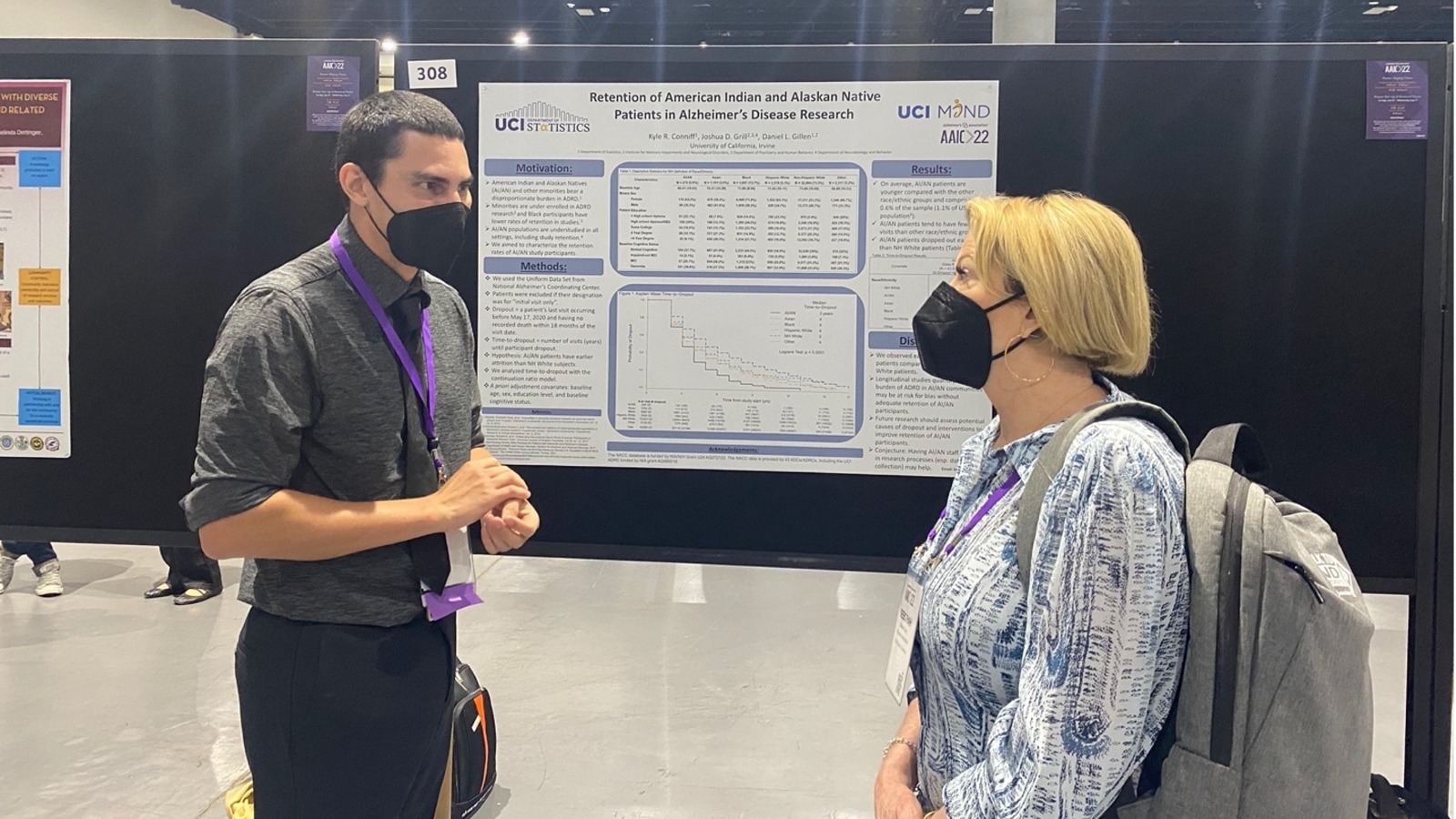
In developing my work, I emphasized the importance of Indigenous data sovereignty with my advisors and in my presentations and discussions. Despite challenges in publication, I included statements on data sovereignty and framed my research perspectives with input from Tribal reviews. My contrasting experiences with IHS and NACC data serve as a powerful example of Indigenous data sovereignty in action, and I use these stories to underscore its importance.
For researchers looking to work with Indigenous data in large, open data sets, my advice is to seek community partnerships and oversight. Engage with national Tribal representatives and be mindful of language and cultural context. Building relationships with Indigenous communities early in the research process and valuing their feedback can help prevent potential harm and ensure respectful, impactful research outcomes. Receiving feedback before disseminating research is a win for everyone. It's never too late to reach out and build these relationships.
Conniff KR, Grill JD, Gillen DL. Retention of American Indian and Alaska Native participants in the National Alzheimer's Coordinating Center Uniform Data Set. Alzheimer's Dement. 2024; 20: 1601–1613. https://doi.org/10.1002/alz.13573