
The National Alzheimer’s Coordinating Center (NACC) serves as the centralized data repository, collaboration, and communication hub for the National Institute on Aging’s (NIA) Alzheimer’s Disease Research Centers (ADRC) Program. Established in 1999, NACC has partnered with over 42 ADRCs across the United States to build one of the world’s largest and most comprehensive datasets on Alzheimer’s disease and related dementias (AD/ADRD). This effort has been pivotal in advancing research and understanding of Alzheimer’s disease, fostering collaboration, and driving innovation in data collection and sharing.
Using data collected from NIA-funded ADRCs across the United States, NACC has developed and maintains a large relational database of standardized clinical and neuropathological research data. In partnership with the Alzheimer's Disease Genetics Consortium (ADGC), the National Centralized Repository for Alzheimer's Disease and Related Disorders (NCRAD), and the NIA Genetics of Alzheimer's Disease Data Storage Site (NIAGADS), NACC provides a valuable resource for both exploratory and explanatory Alzheimer's disease research. NACC data are freely available to all researchers.
Our Mission
Modernize data collection, integration, and sharing to advance Alzheimer’s research. We are committed to enabling groundbreaking discoveries in Alzheimer’s disease by providing researchers with open access to a vast, multimodal dataset.
Innovation and Modernization
NACC is at the forefront of data science, implementing cutting-edge tools to enhance data integration and accessibility. Our modernized bioinformatics infrastructure includes:
- Cloud-Based Data Platform: Designed to support scalable multimodal data collection, integration, and sharing.
- Data Front Door (DFD): A centralized portal offering advanced search, visualization, and access capabilities for ADRC participant data.
- Electronic Data Capture System: NACC utilizes an advanced REDCap-based electronic data capture system to streamline data submission and ensure standardized, high-quality data collection across ADRCs. This system supports efficient data entry, auditing, and integration with other data modalities.
- Interoperability Pipelines: Seamless data integration with initiatives like SCAN, CLARiTI, and real-world datasets (e.g., EHR and claims data).

NACC’s Uniform Data Set (UDS): Our data set is widely regarded as the gold standard by the field. With up to 19 years of longitudinal data, this standardized, longitudinal, rich multi-domain neurocognitive and phenotypic data set includes robust, criteria-based diagnoses, providing a valuable foundation for grounding other studies. The latest version, UDSv4, incorporates critical new data on social determinants of health, the use of disease-modifying drugs, and emerging concepts such as mild behavioral impairment.

Neuropathology Data: Standardized neuropathology data is available for over 58% of deceased ADRC participants, providing insights into pure and mixed dementia etiologies.
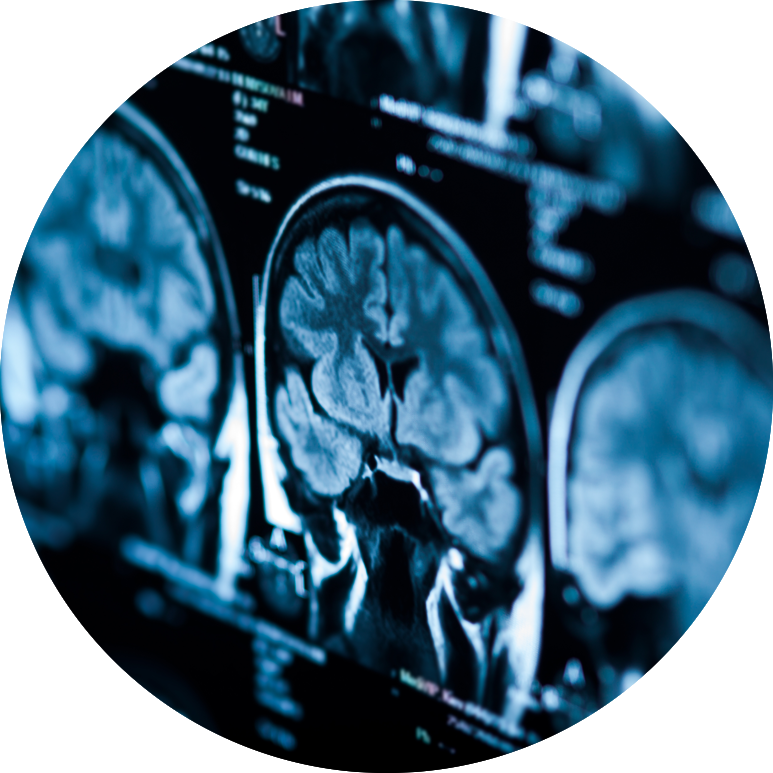
Neuroimaging Data: Through initiatives like SCAN and CLARiTI, NACC integrates mixed-protocol MRI and PET data, making standardized imaging available for analysis.

Genomics and Biomarkers: In collaboration with NCRAD, NIAGADS, and the Alzheimer’s Disease Knowledge Portal (ADKP), NACC provides access to genetic, fluid biomarker, and multi-omics metadata.
Join Us
NACC, NCRAD, and NIAGADS are eager to partner with ADRD researchers and clinicians from across the Alzheimer’s Disease Research Centers (ADRC) Program and beyond to build the “Data Front Door” (DFD), a one-stop-shop for all ADRC data. Our goal is to have this platform integrate and connect all ADRC data streams to NACCIDs and serve as an effective search, visualization, and access interface for this data. NCRAD and NIAGADS data will continue to be housed within the NCRAD and NIAGADS databases but biomarker and genetic metadata for all ADRC participants will be searchable through the DFD.
Our hope is that harmonizing these data streams and connecting them to NACCIDs will enable researchers to investigate and answer new questions in Alzheimer’s disease.